


When a tool feels underpowered, most people shop for a better one. For years I did the same, meeting every struggling tool with a receipt for a nicer one. Then I paid attention. In the workshop I put together on a single 18V battery platform, the tool was rarely the weak link. The pack feeding it usually was. Other times it came down to a worn blade, a guide I never clamped on, or the sawdust I let pile up. Four cheap fixes changed how my Ryobi gear ran, and none of them was a new drill or saw. Each cost less than a mid-tier tool, and each fixed a problem I had blamed on the wrong thing.
A stronger battery beats a stronger tool
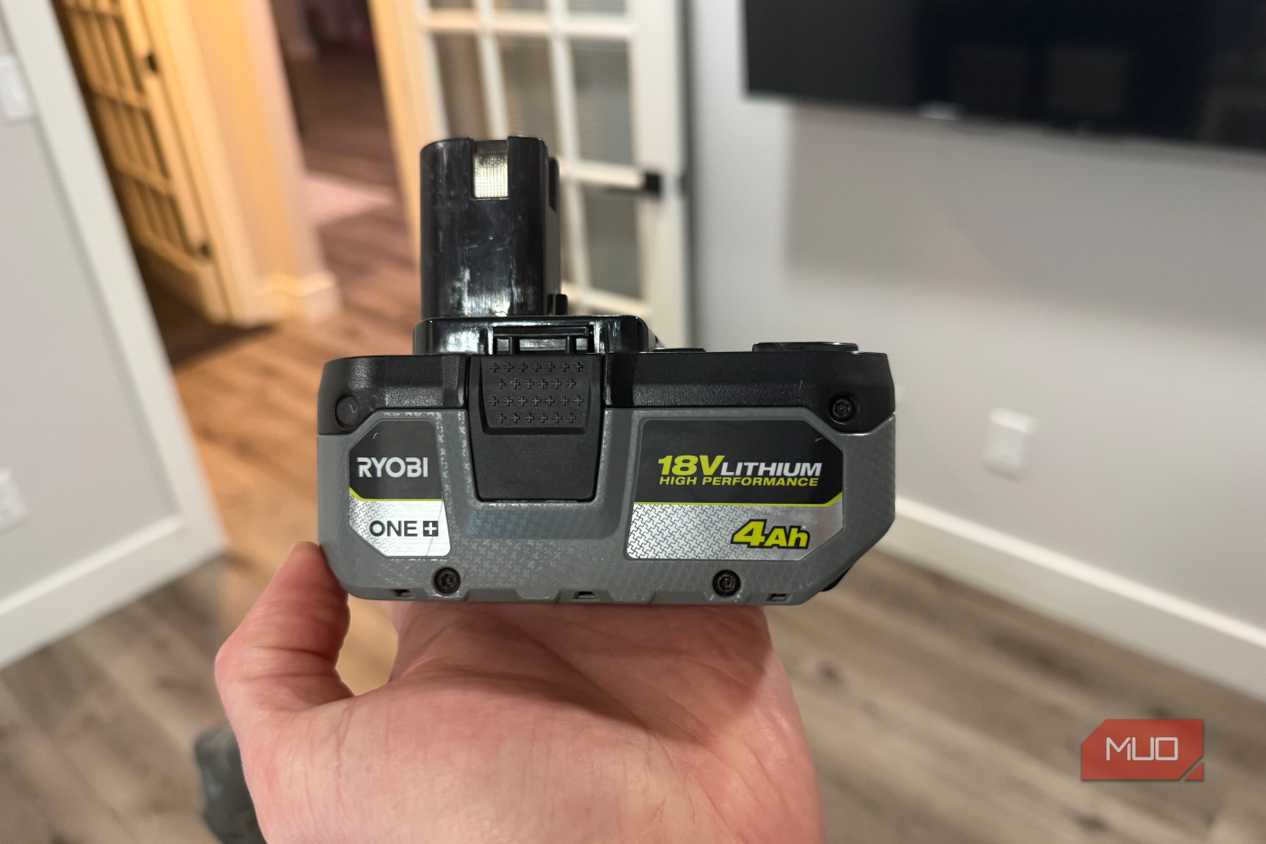
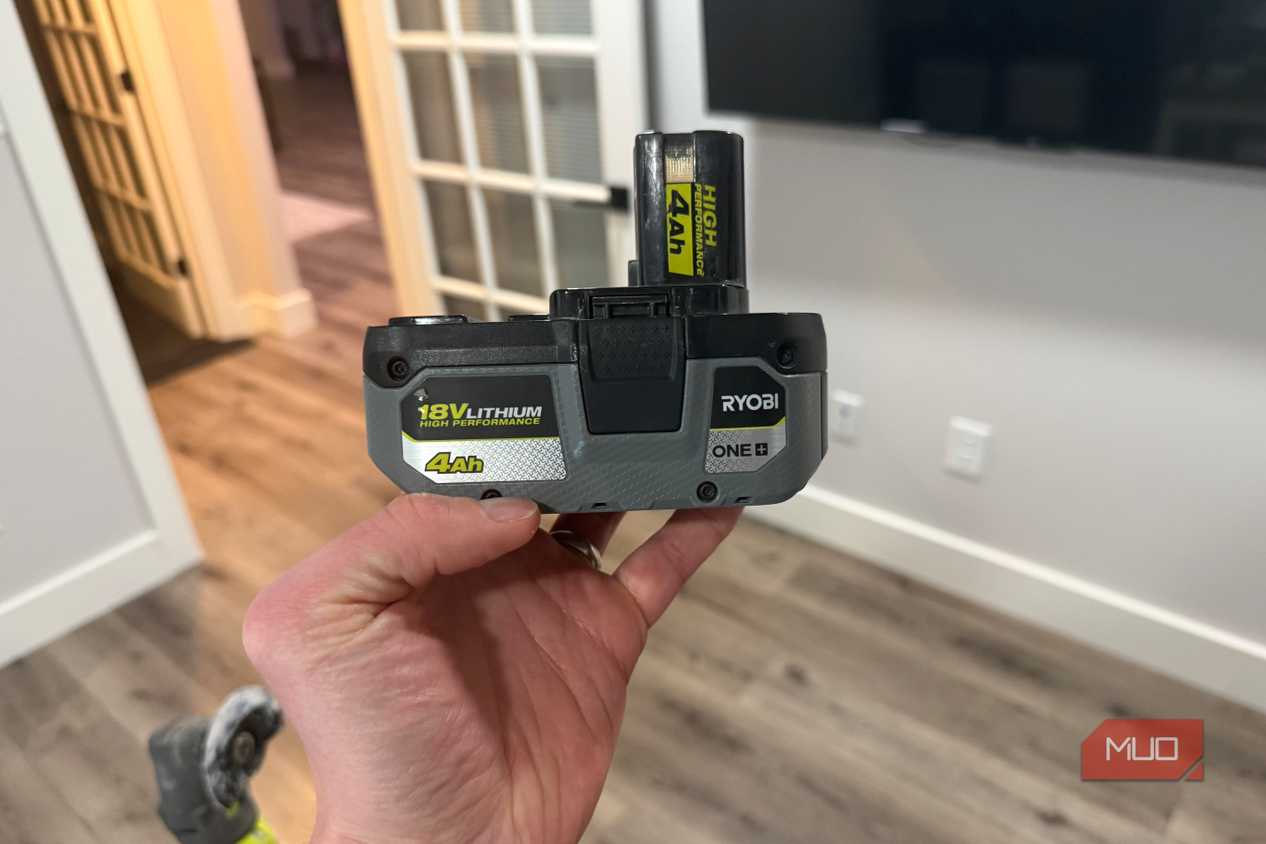
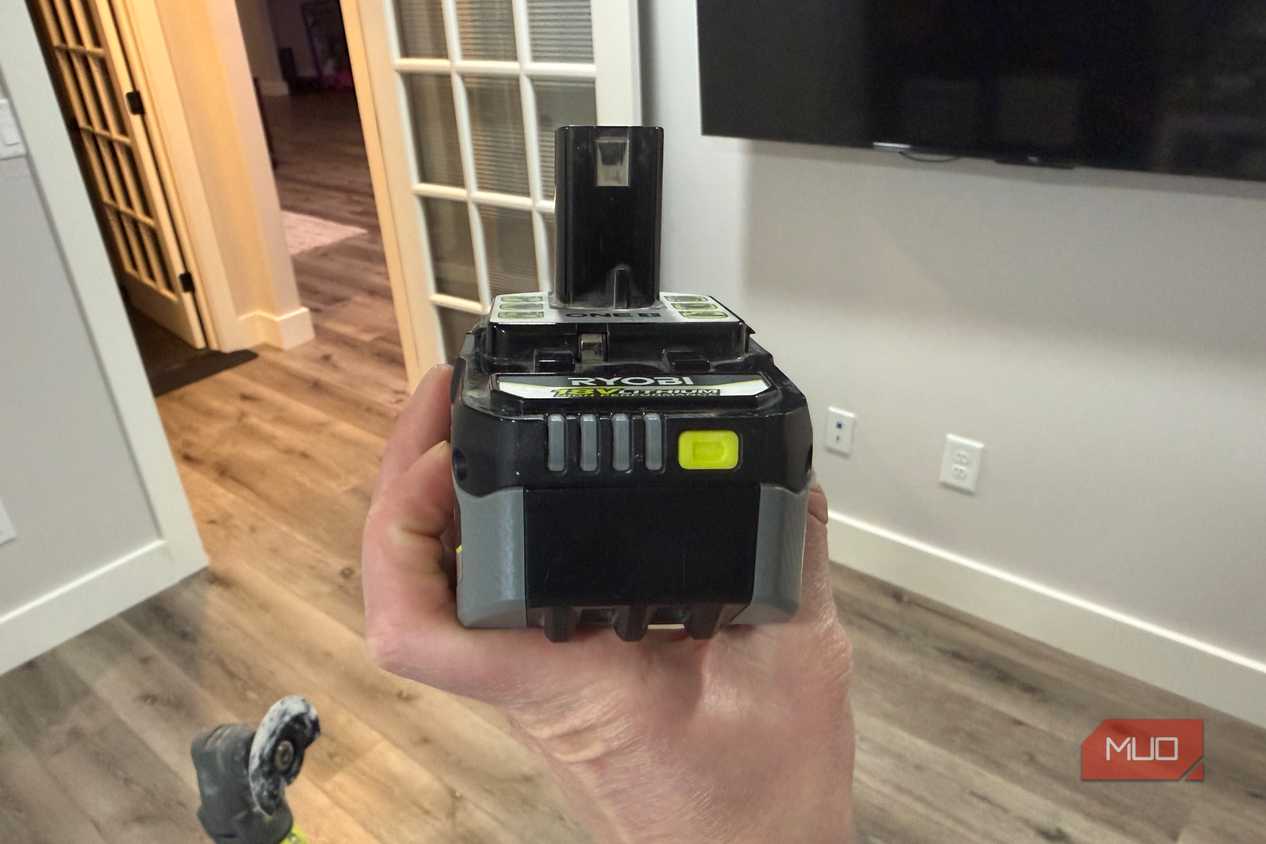
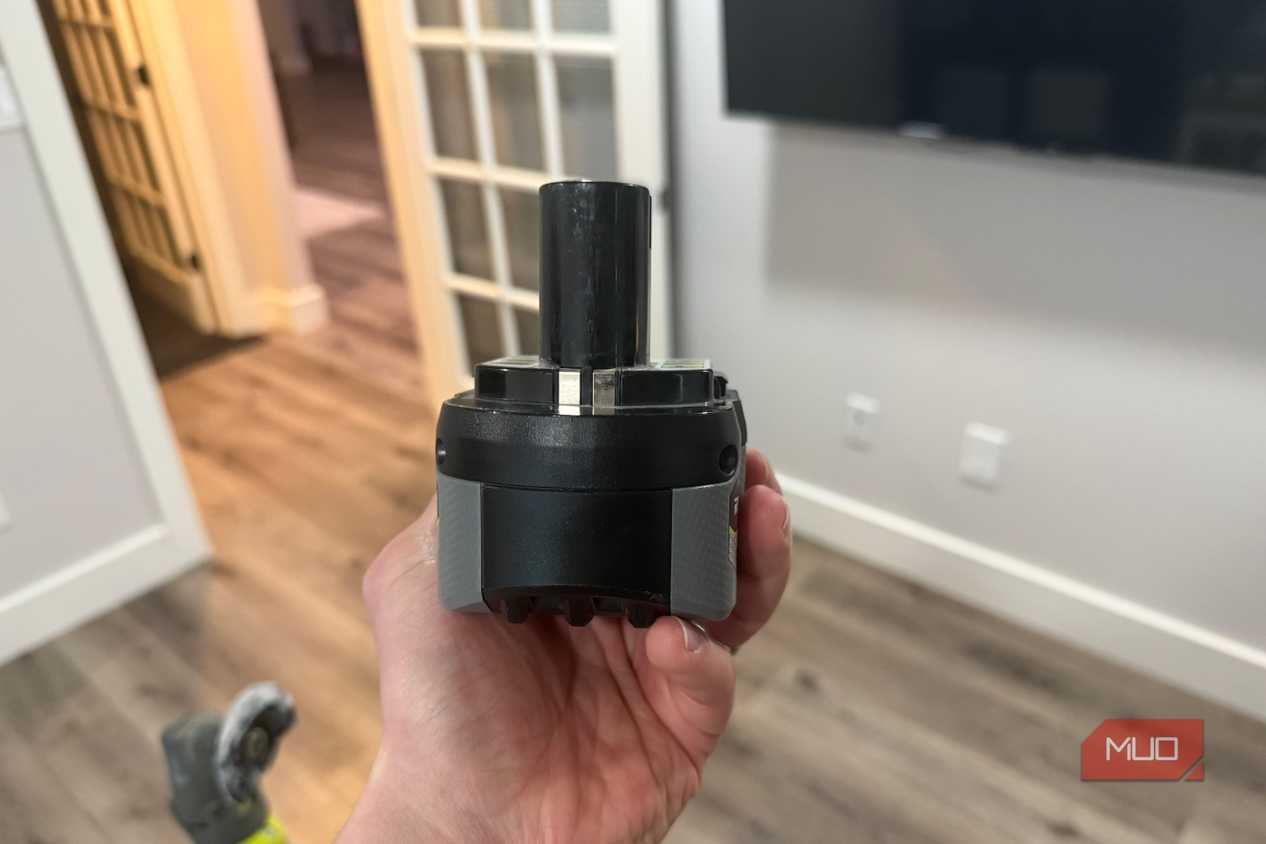
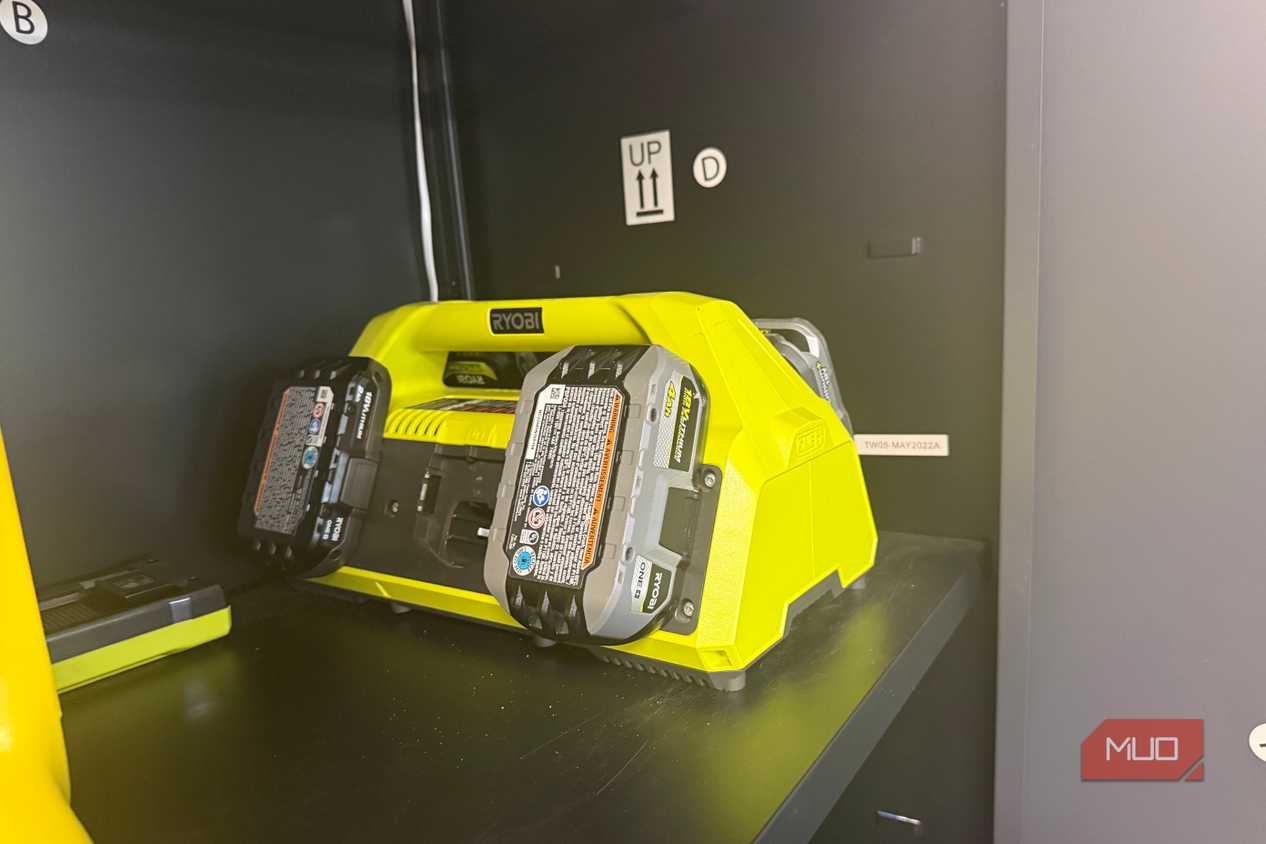
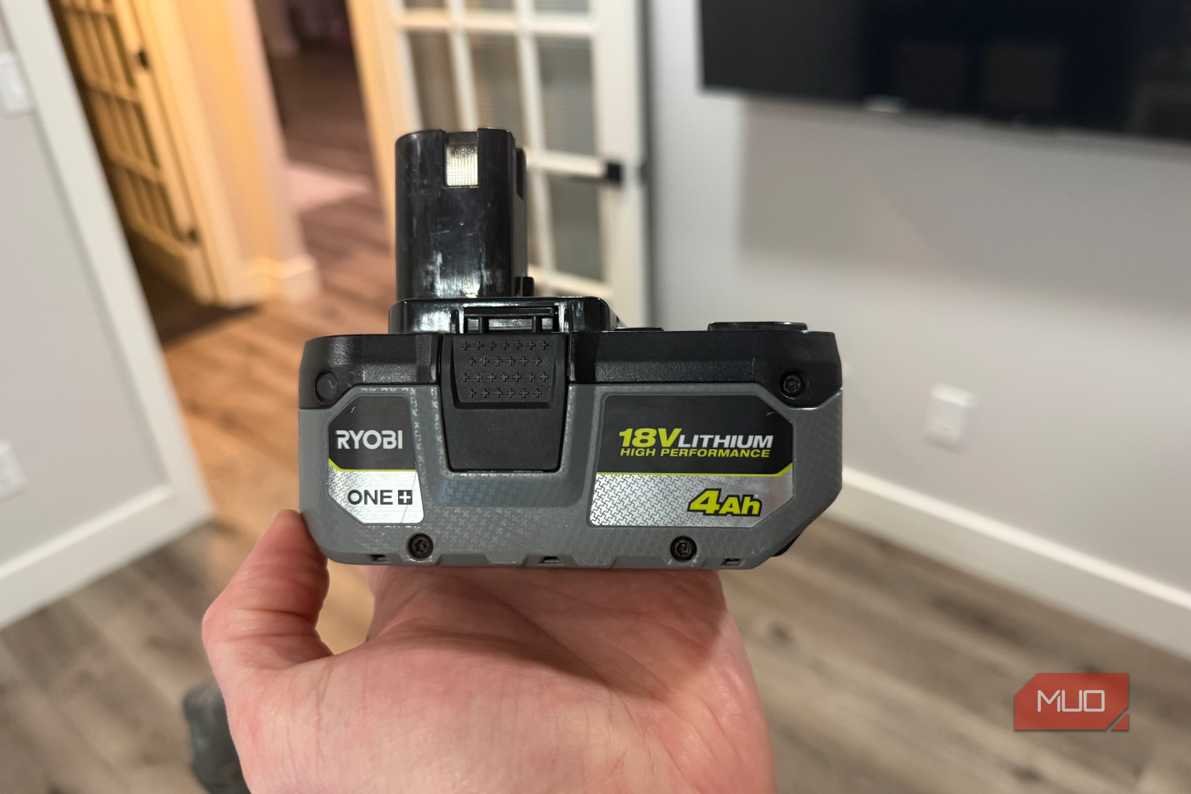
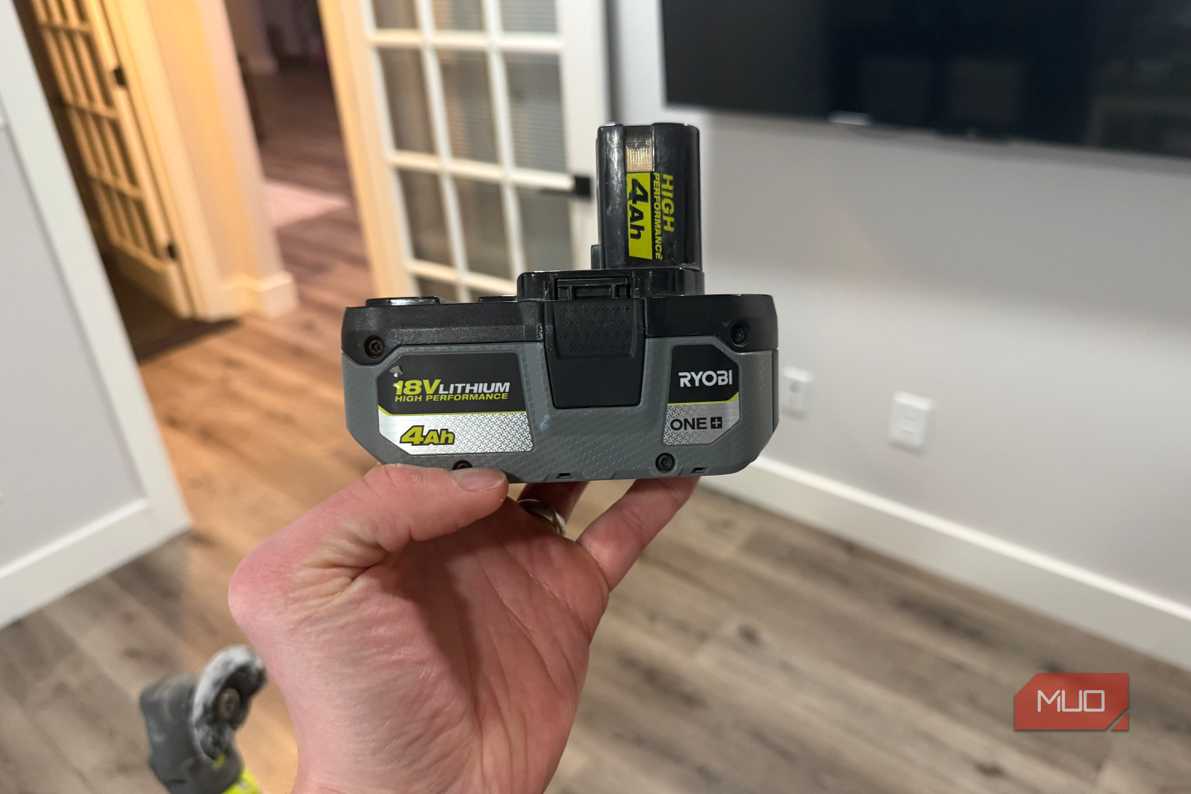
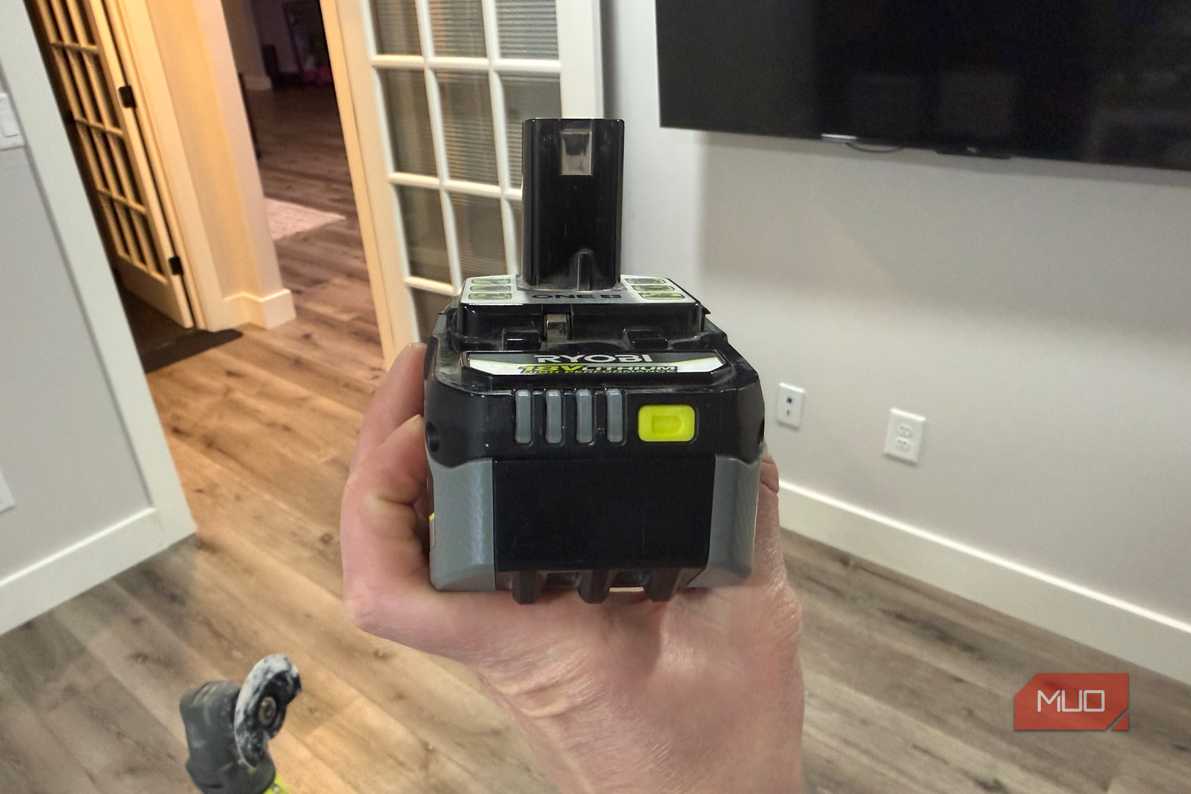
Feed hungry tools a High Performance pack


 Credit: Jonathon Jachura / MUO
 Credit: Jonathon Jachura / MUO
 Credit: Jonathon Jachura / MUO
 Credit: Jonathon Jachura / MUO
 Credit: Jonathon Jachura / MUO
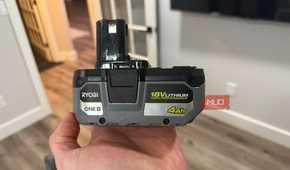
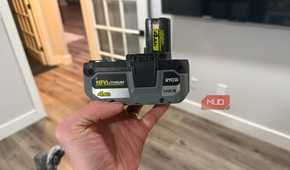
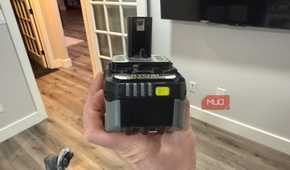
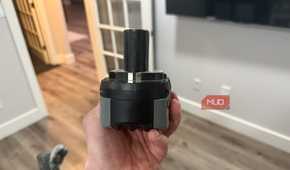
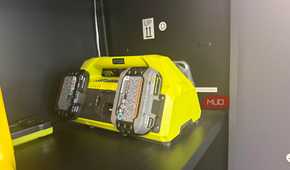
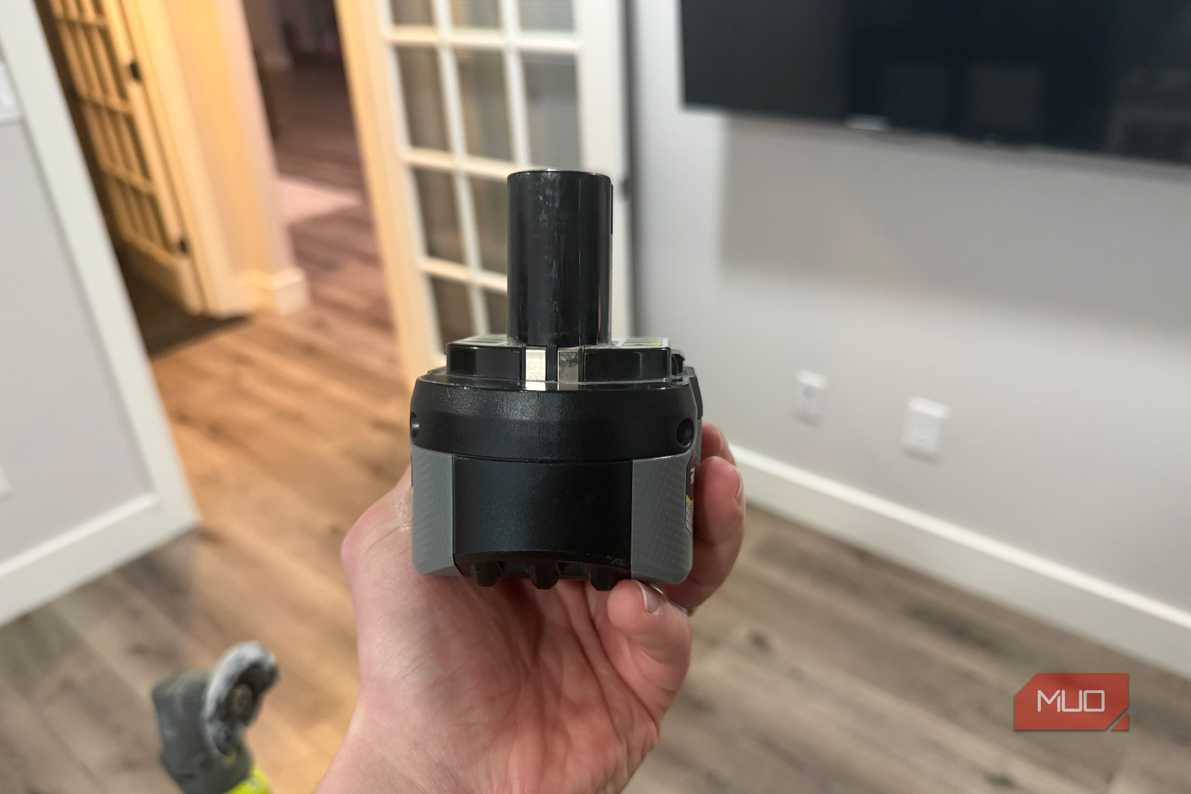
Drop a small 1.5Ah or 2.0Ah battery onto a drill and it will run all afternoon without a hiccup. The same pack on a circular saw or a string trimmer is a different story, because those tools pull far more current and drain it fast. The tool slows, the cut drags, and the tool takes the blame for something the battery caused. A Ryobi High Performance 4.0Ah pack uses cells built for heavier current, so a hungry tool pulls what it needs instead of starving. My saw holds its speed through a full sheet now, and the packs last long enough that runtime stopped shaping my afternoon. One shelf of these packs powers every 18V tool I own, which is the quiet reason the battery is where my money goes, not the tool. A bare tool sells cheap because the platform assumes you already own the packs. Buy the pack, and the tools you already have finally perform the way the specs promised.
The blade matters more than the saw
Buy the cutting edge before the tool


 Credit: Jonathon Jachura / MUO
 Credit: Jonathon Jachura / MUO
 Credit: Jonathon Jachura / MUO
 Credit: Jonathon Jachura / MUO
 Credit: Jonathon Jachura / MUO
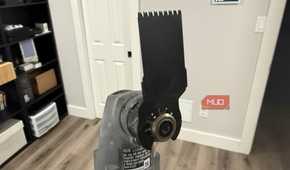
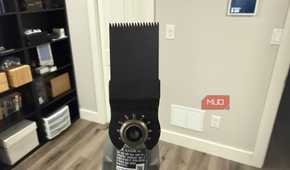
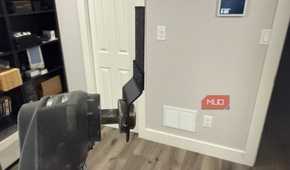
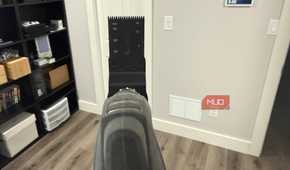
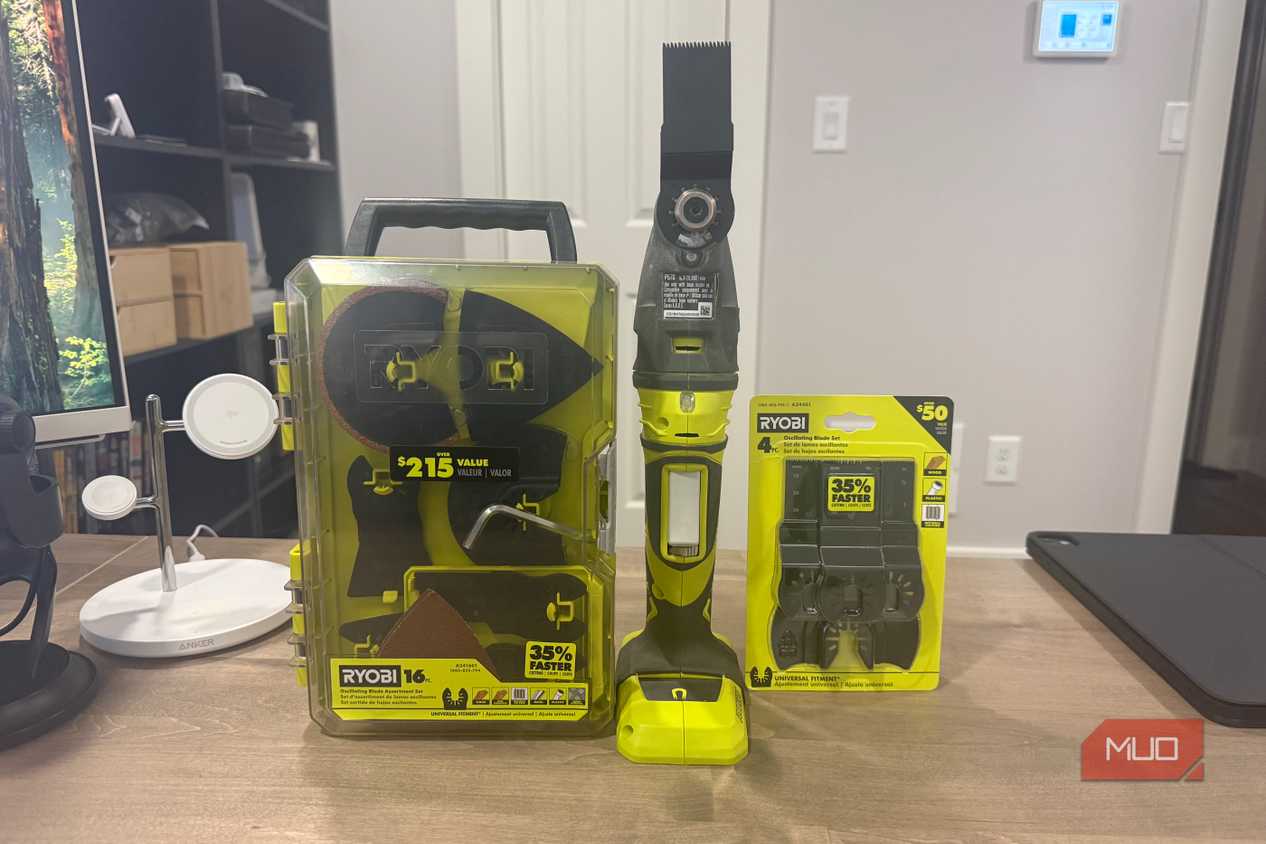
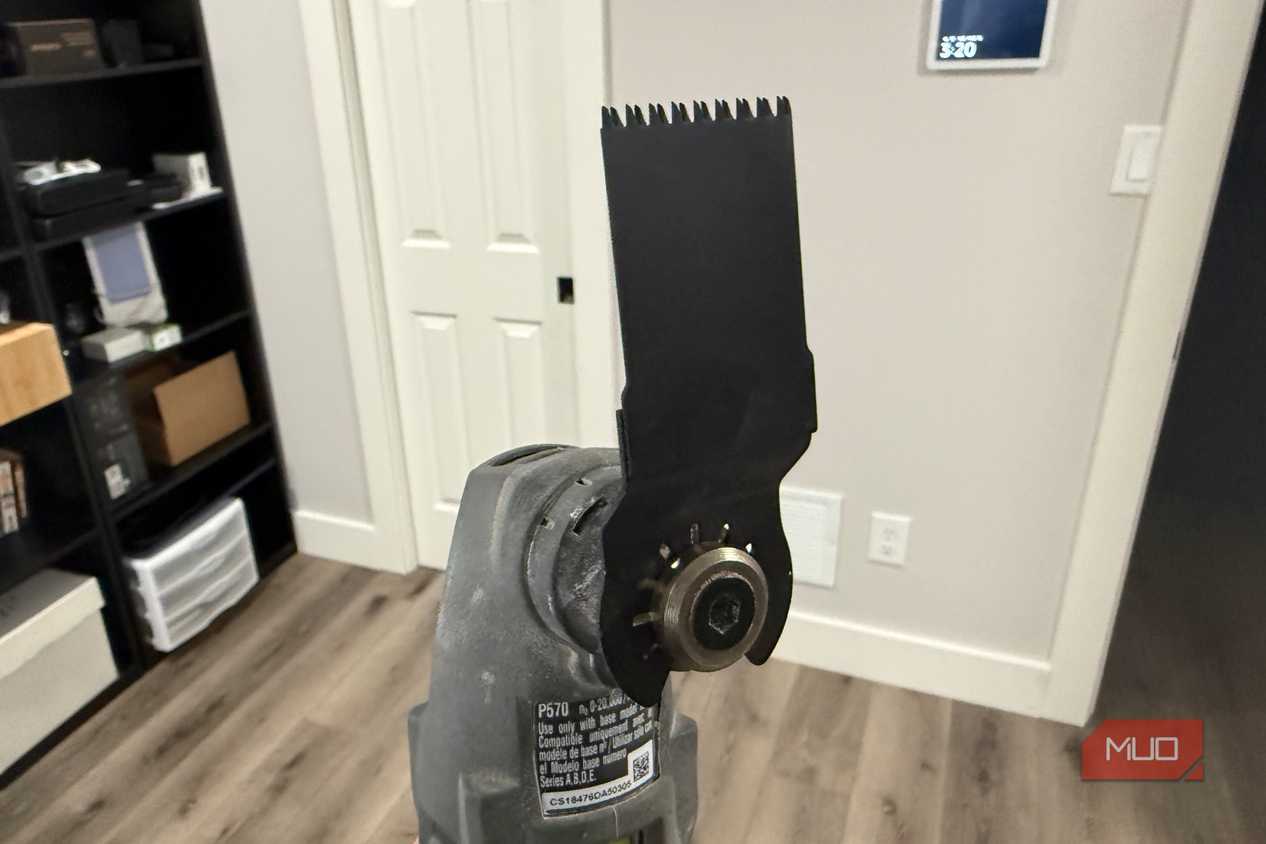
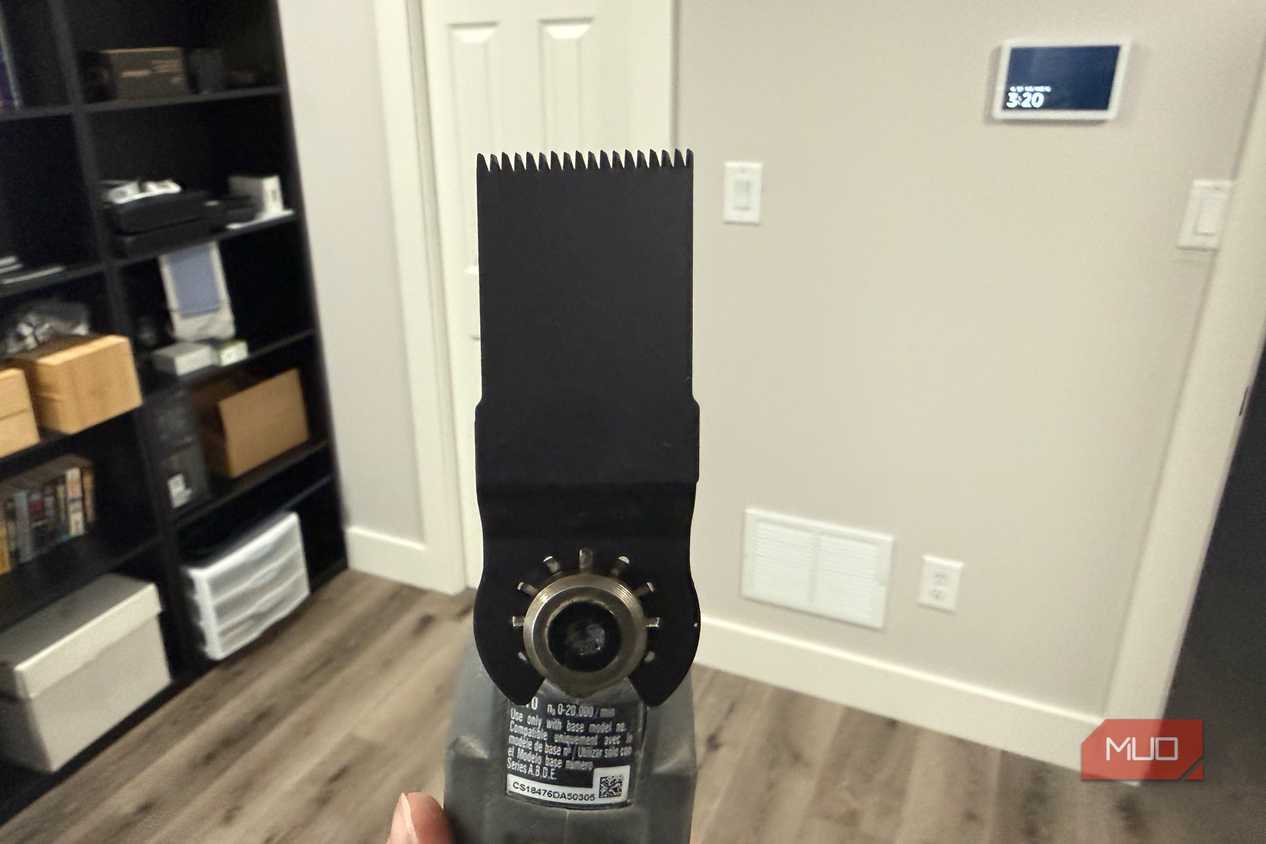
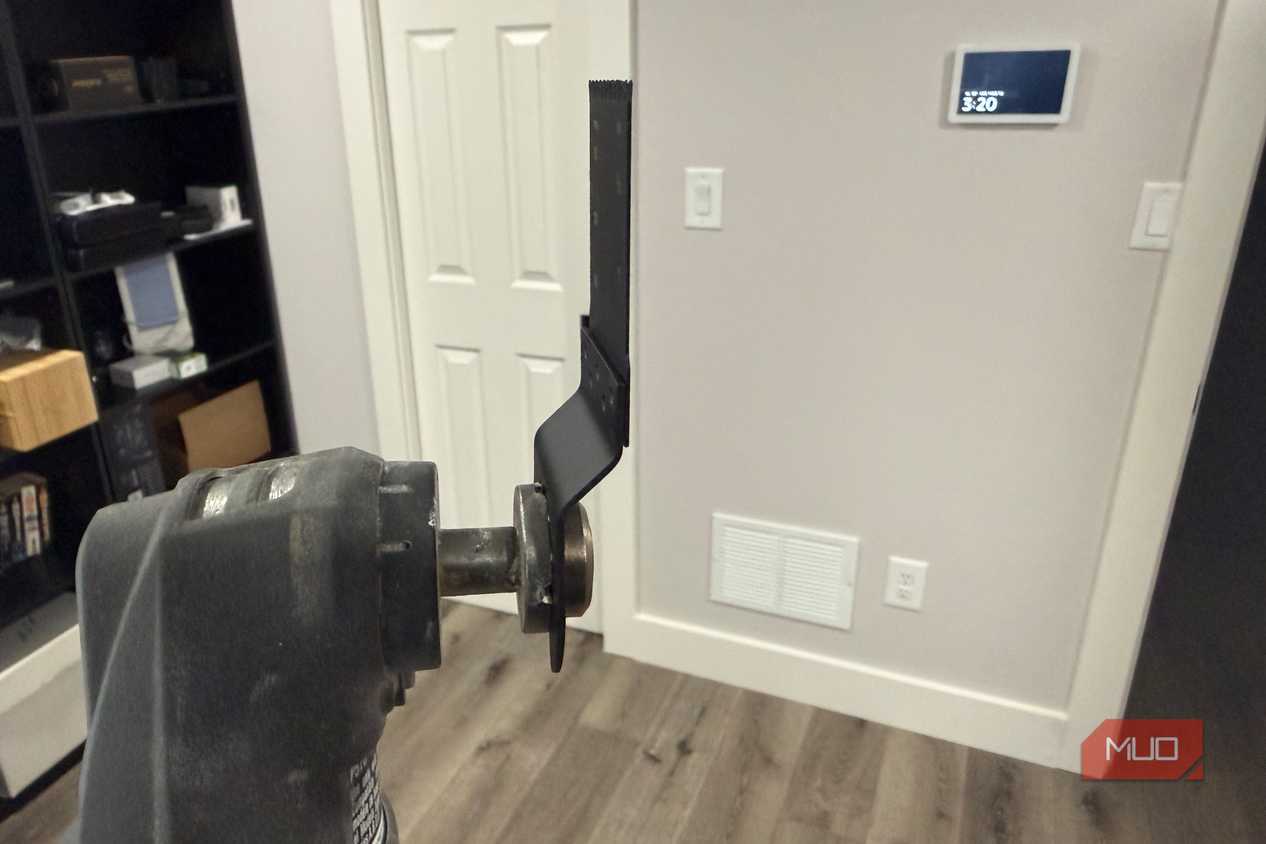
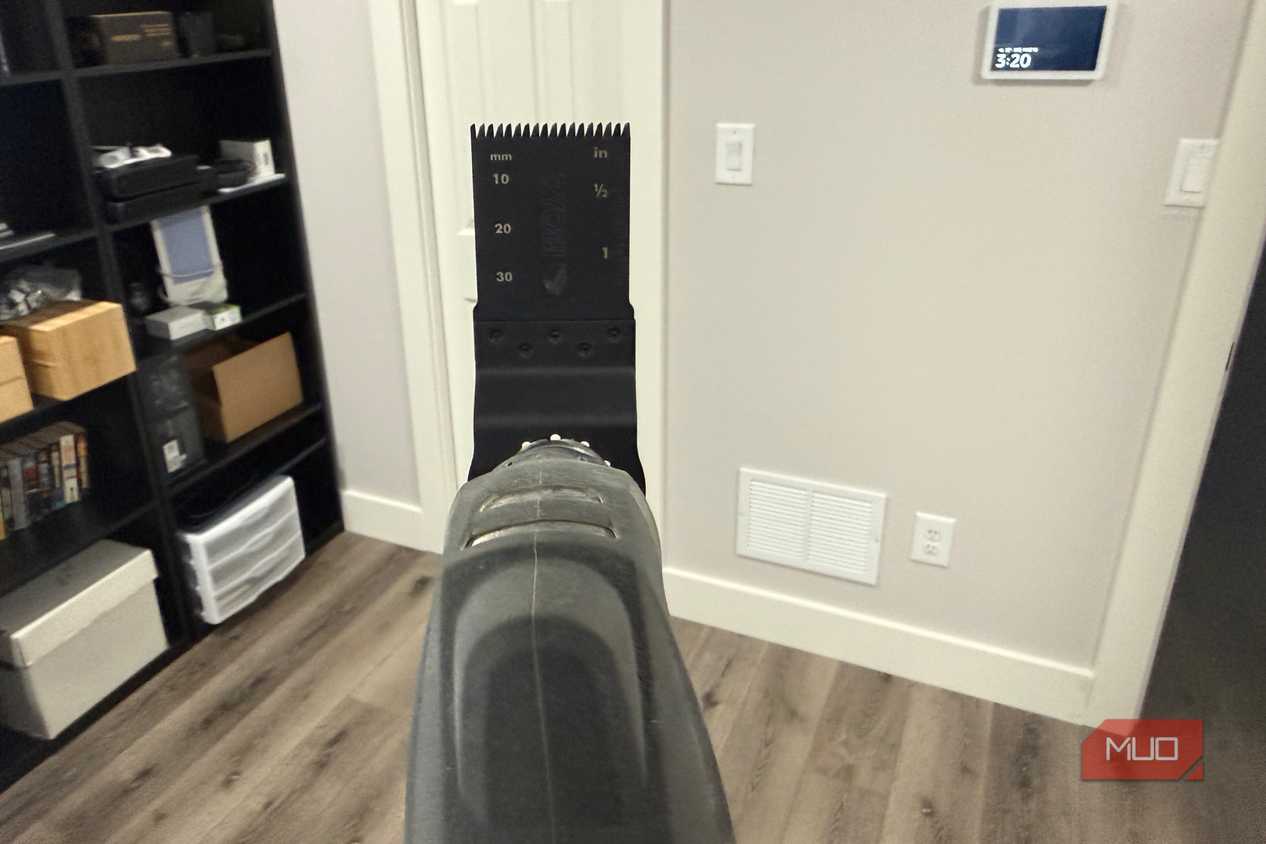
Put a sharp blade on a cheap saw and it will beat an expensive saw running a dull one, every time. Slap a worn or bargain-bin blade on, and clean pine starts to scorch. Behind one, even a solid saw feels sluggish. Swap in a sharp carbide blade and the same saw glides through the same board. Driver bits follow the same rule. Cheap bits cam out and round off screw heads, while an impact-rated bit bites and holds through a long fastener. My multi-tool taught me this best. It sat in a drawer for months until I started working through a proper set of oscillating blades, and the right blade turned it into the tool I grab for trim, flush cuts, and plunge work. A sharp plunge blade drops into the middle of a surface where a jigsaw cannot start, which opens up repairs a pricier saw would never touch.
A jig makes a basic tool precise
A $40 jig hides every screw

The guide is what makes a cut accurate, more than the tool doing the cutting. Nothing about my drill is special. Bolt a Kreg pocket-hole jig onto the workpiece, though, and it drills angled pocket holes that pull a joint tight. My first desk came out that way, every fastener out of sight, and people still figure I used gear pricier than I own. The jig cost me around $40, and it does something no drill upgrade can, because the guide sets the angle instead of the motor. A circular saw benefits the same way. Clamp a straightedge down as a fence, and a cheap circular saw will hold a line straight enough that nobody wonders whether I own a track saw. Neither trick needed a better tool, just add-ons that cost pocket change next to a new saw.
A clear work area beats a new saw
Clear the cut line, protect the tool

Sawdust causes more trouble than it gets blamed for. It buries the pencil line exactly when you need it, then works its way into blade guards and motor vents. Breathing it all afternoon does not help either. My cuts got cleaner once I stopped letting dust pile up, and no fancier saw was ever going to do that. My Shop-Vac sits by the miter saw with its hose on the dust port, catching most debris before it reaches the floor or my lungs.
A short burst from my Ryobi cordless air compressor handles the rest, clearing the cut line and blowing a board off before glue-up. The pair cost less than one mid-grade saw, and I use one or the other every session. When I can see the line, cuts land where I marked them, and a tool kept free of grit runs cooler and lasts longer. That never shows up on a spec sheet, and it matters more than trading up to a nicer model.

Ryobi ONE+ 18V Battery
- Battery Type(s)
- Lithium-Ion
- What's Included
- 2 Batteries
Spend where the tool meets the wood
So before you replace a tool that keeps letting you down, look harder at the cheap parts around it. The four upgrades here fixed problems I had wrongly blamed on the tool for years, and together they cost less than a single premium saw. The payoff is immediate. You feel it on the very first cut, long before any break-in. Start wherever the trouble is worst today. Maybe a hungry tool just needs a stronger pack, or the saw on your bench needs a fresh blade. Make that one change, and the next project will make the case better than I can.