


HBO is working on a new TV show based on the Harry Potter book series by J.K. Rowling, about a boy who learns he's actually a wizard and gets whisked away to a world of magic and wonder. The first season will premiere this Christmas, and it's going to be an enormous hit. A second season is already in the works.
Although the show is a guaranteed ratings winner for HBO, it's taking the network pretty far from its boundary-pushing roots, and that could hurt it in the long run.
Why the Harry Potter show will succeed
Ignore the noise online
Although the premiere is still months away, the Harry Potter show has already come under a lot of fire. For instance, some argue that a TV show is redundant when there were eight Harry Potter movies released between 2001 and 2011 which adapt the books more-or-less faithfully and which still hold up. And indeed, many people have seen this story onscreen already...but that's not likely to stop them from watching it again. Hollywood makes so many reboots and remakes because people keep paying to see them; just ask the producers behind the James Bond, Star Wars, and Batman franchises. The Harry Potter books are the most successful novels of the 21st century and people are going to tune in en masse to see them adapted to TV, whether they've seen the movies or not.
The show has also been at the center of multiple culture war debates. J.K. Rowling has made headlines in recent years for attacking the rights of transgender people, and many worry that a successful new adaptation of Harry Potter will give her a more prominent platform to pursue her agenda. Meanwhile, a subset of conservative viewers melted down over the show casting Paapa Essiedu, a Black actor, in the role of Professor Severus Snape.
But these kinds of debates won't mean anything when it comes to viewership. Recently, conservatives melted down over Black actor Lupita Nyong'o being cast in The Odyssey, but that film still made well over $1 billion at the box office and may well become one of the top 10 highest-grossing movies of all time before its run is over. Meanwhile, fans boycotted the 2023 Harry Potter video game Hogwarts Legacy over Rowling's transphobia, but it still became the best-selling game of the year. Although these debates are much-discussed online, the general population doesn't pay much attention to them, and the general population is the target audience for the Harry Potter show.
HBO is changing
For better or worse?

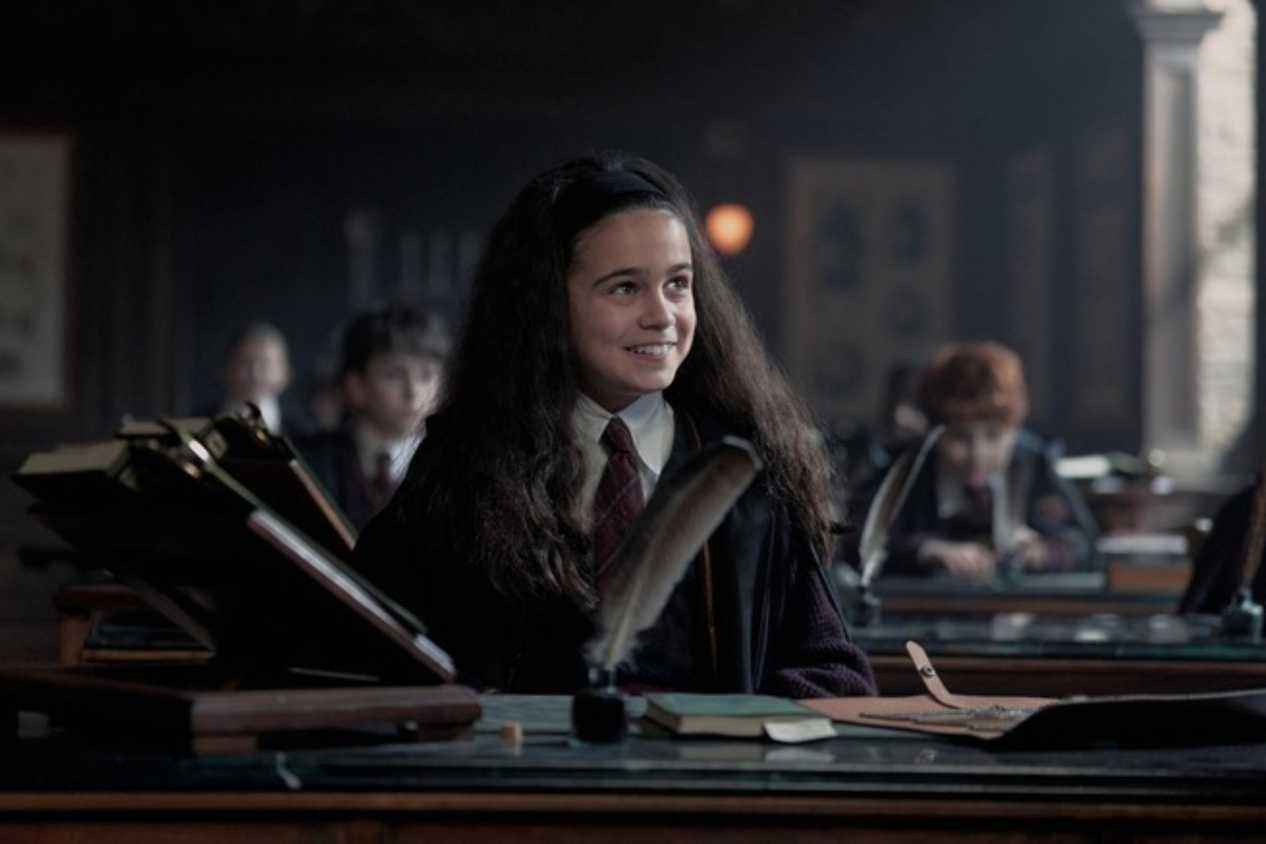
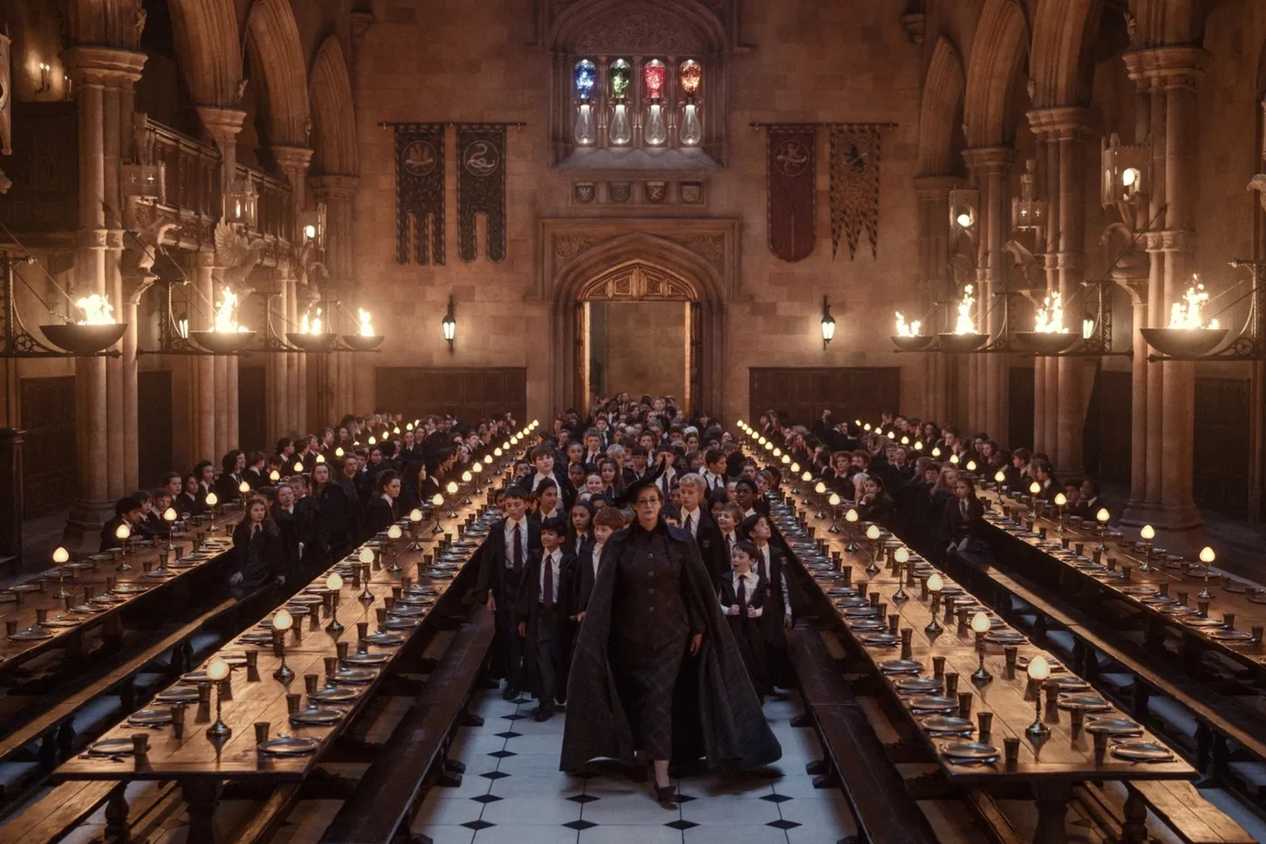
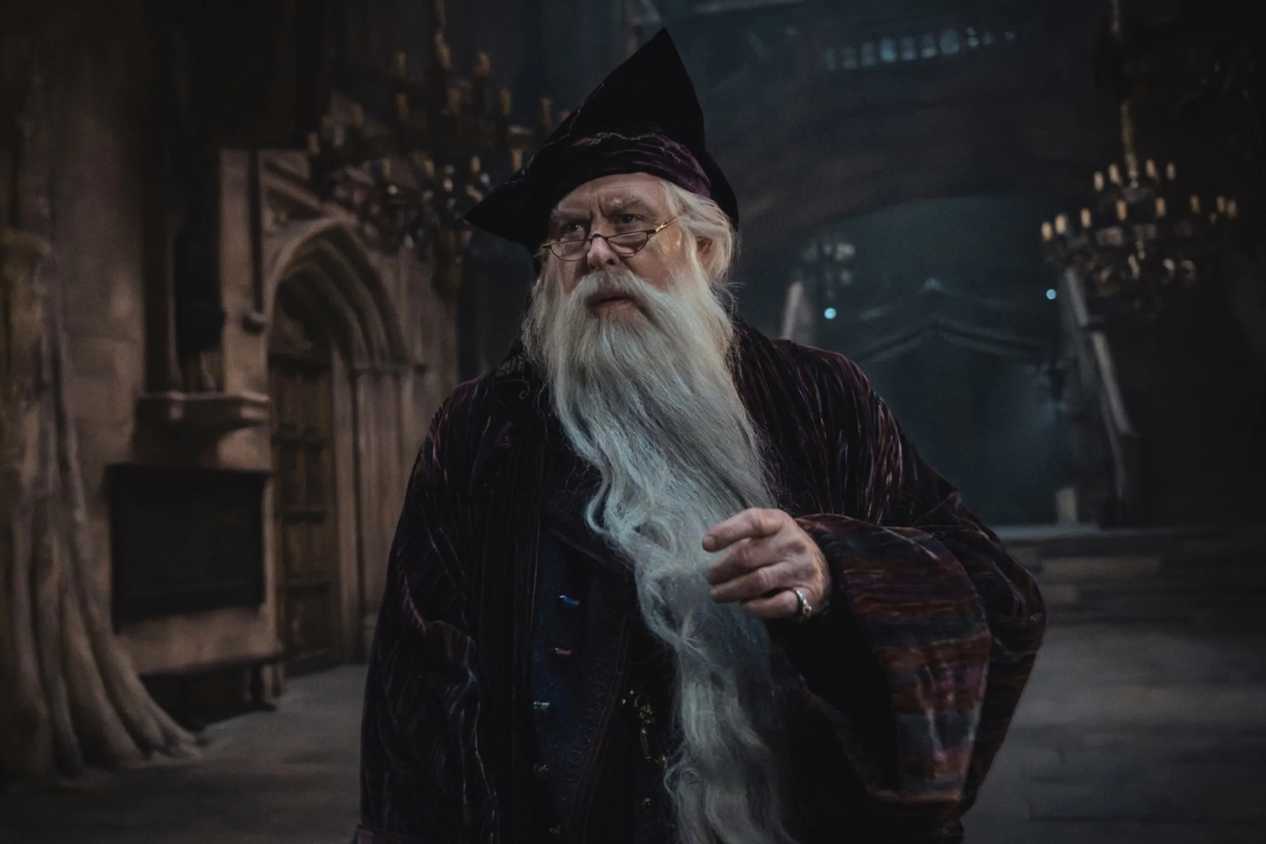
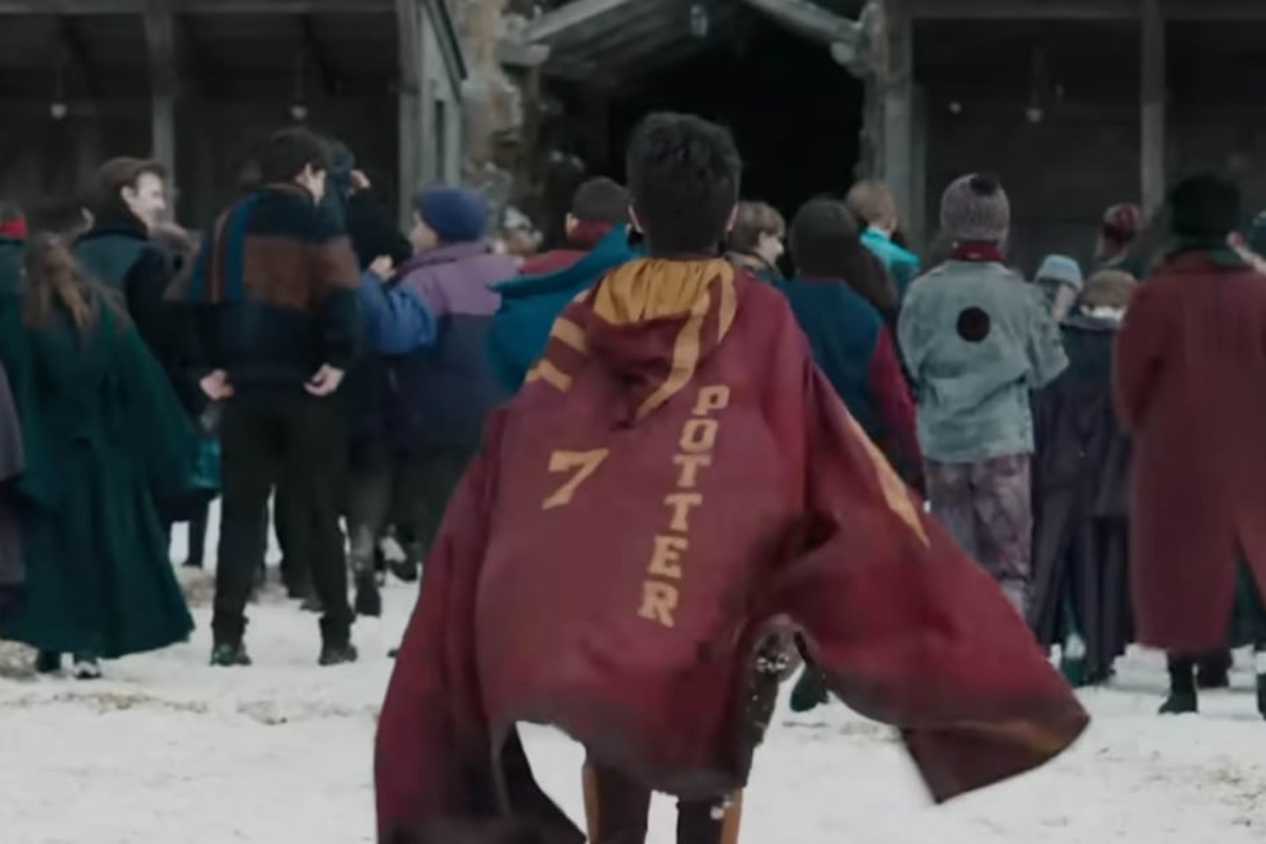


 Credit: HBO
 Credit: HBO
 Credit: HBO
 Credit: HBO
 Credit: HBO


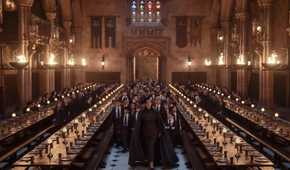


In the short term, at least, Harry Potter is going to be a raging success for HBO. Long-time, it represents something of an existential crisis.
Starting in the late 1990s with the release of shows like Oz, The Sopranos, and Sex and the City, HBO became known as the home of prestige TV. The number of iconic, boundary-pushing shows that aired on the network over the past few decades is almost embarrassing, from The Wire to Curb Your Enthusiasm to Succession to Veep to Deadwood and beyond. Not every show was a massive hit, but if it was on HBO, you could be sure that it would be polished and original.
HBO shows are still polished, but they're looking less and less original these days. The problem probably started with Game of Thrones, which was so successful that HBO couldn't resist creating the first-ever spin-off series in its history: House of the Dragon. Now there's a second Game of Thrones spin-off on the air: A Knight of the Seven Kingdoms. The network has also dipped into the DC Universe with shows like The Penguin and now Lanterns. It revived Sex and the City with And Just Like That..., drummed up hype for the Dune movies with Dune: Prophecy, and capitalized on the popularity of Stephen King with IT: Welcome to Derry.
Mind you, I'm not saying any of these shows are bad — I personally loved A Knight of the Seven Kingdoms — just that they represent a change. HBO was always the network willing to take chances on something new and different. Now, it's playing the big IP game, with Harry Potter as its biggest IP play yet.
From The Sopranos to Harry Potter
Is HBO becoming more like Disney?
The worry is that when a network plays with big IP like this, it gets caught in a vicious cycle. Big IP shows require a lot of investment, which requires huge returns to justify that investment. But you only get huge returns if you invest enough to turn your show into an unmissable spectacle, and eventually the spectacle becomes the point. Witness what's happened with Disney, a famously IP-obsessed company which overexposed the Star Wars brand to the point where far fewer people were interested in it.
It would take HBO a while to get to that point, but it could happen. Sooner or later, the network might turn down the chance to create the next intimate, boundary-pushing drama in favor of making something with name recognition, and that would be a shame.
The new HBO is here
Or perhaps HBO will successfully thread the needle and manage to work high-quality, IP-driven content into its normal lineup of edgy, original series. Anything could happen. And at the end of the day, networks do change. Before it became the home of prestige TV, HBO's brand revolved around playing uncensored movies, live sports, and stand-up comedy specials. Maybe this is just the next phase.
And even if HBO does change into something we don't recognize anymore, there are other networks picking up the slack and greenlighting lots of bold, exciting new shows. Prestige TV might not go away; it'll just move elsewhere.