


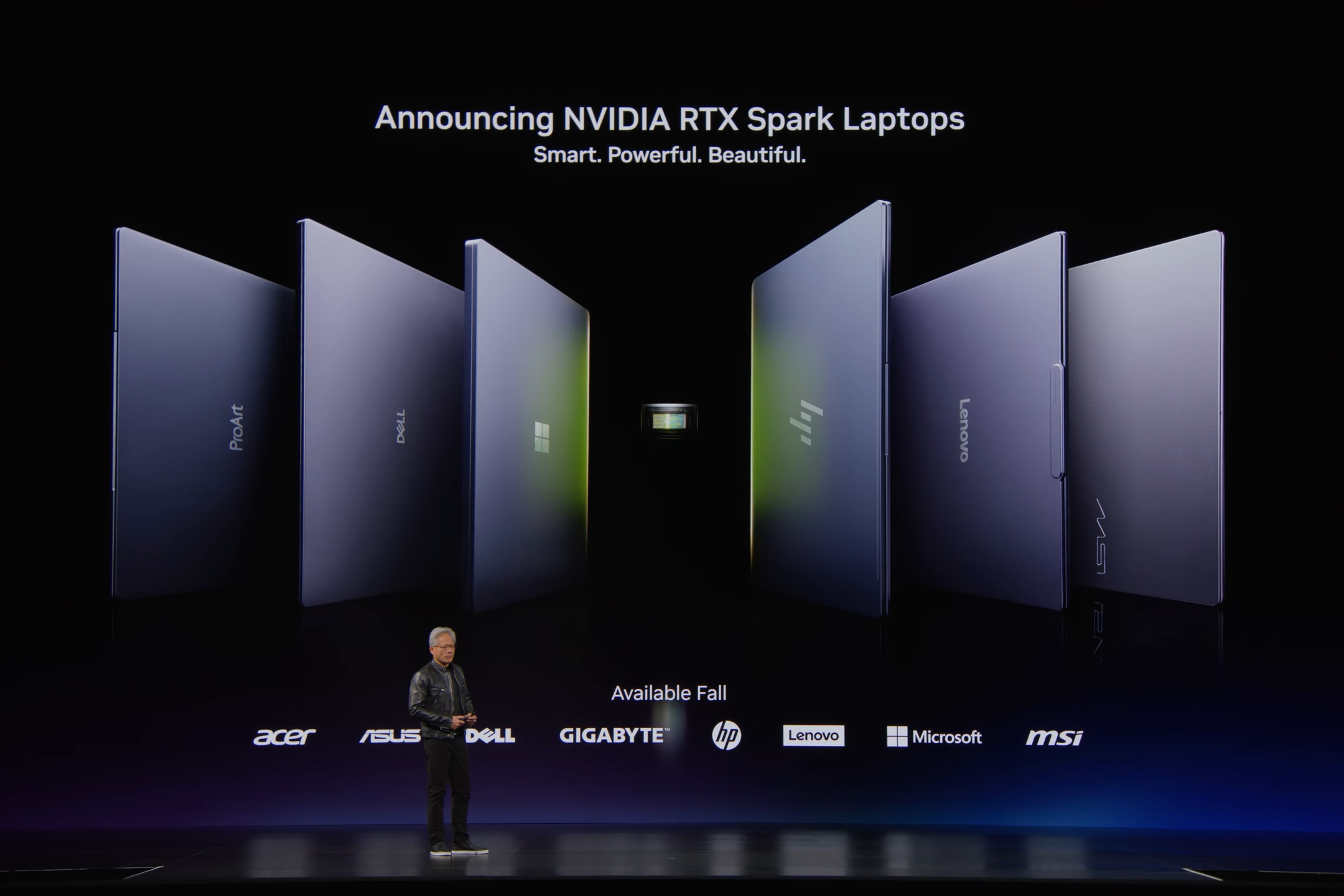
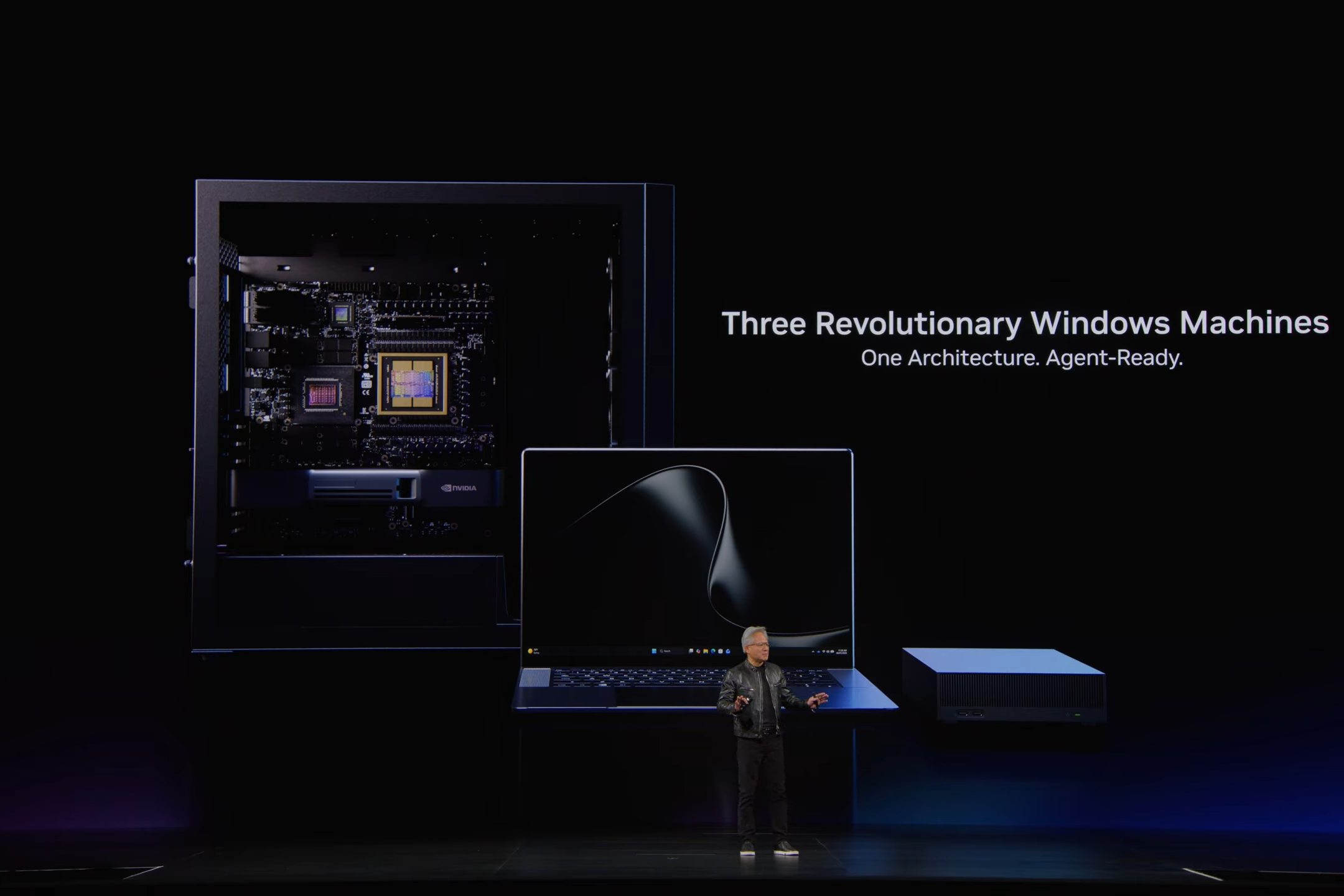
Nvidia claims to be reinventing PCs for the first time in 40 years with the RTX Spark — a super-chip crammed with everything Team Green has learned in over three decades of its existence. Developed in close collaboration with Microsoft and MediaTek, the RTX Spark is a high-end super-chip targeting creators, AI agents, and, lastly, gamers. On paper, the performance sounds great: you're getting 1440p gaming at 100 FPS on the highest graphics settings — that is, until you realize that Nvidia never really built the chip for gaming.
The RTX Spark is a data center chip in a laptop shell
Gaming was never the initial design goal

In case you've missed it, here's a brief rundown of the RTX Spark: the SoC combines an RTX Blackwell GPU featuring 6144 CUDA Cores and up to 1 petaFLOPs of FP4 AI performance, alongside a 20-Core GRACE CPU made in collaboration with MediaTek, and a unified 128GB of LPDDR5X memory. This all sounds pretty alluring until you realize that the RTX Spark is a super-chip built on the GB10 architecture, a 2-year-old SoC that Nvidia designed for AI enthusiasts.
The GB10 wasn't a consumer-grade processor; it ran a Linux-only AI compute environment designed for AI experiments and related tasks. The RTX Spark brings the same specifications but is intended for more general-purpose uses such as content creation, rendering, AI workloads, and gaming.
The specifications required for content creation also make it a decent gaming machine, but gaming was never the design goal.
The RTX Spark doesn't make for a good gaming machine
The RTX Spark suffers from a lower memory bandwidth

The RTX Spark features 128GB of LPDDR5X memory, which may sound like a lot, but compared to GDDR7 memory, it is slower and has higher latency. The RTX Spark's specifications put it up against the RTX 5070 mobile, but the super-chip has a memory bandwidth of 273.2 GB/s, much lower than the RTX 5070 mobile's 384.0 GB/s. The rest of the SoC's specifications focus more on AI-leaning tasks, as evidenced by the higher counts of Tensor Core TMUs and ROPs.
Memory bandwidth will be the biggest bottleneck for the RTX Spark, as it also has to share it among the CPU cores. Now, I don't mean in any way that the RTX Spark sounds bad for gaming; it won't be, but that's the least you would expect from a super-chip of this caliber, and this is why I said the RTX Spark for gaming feels like an afterthought.
Windows on ARM still isn't there for the average consumer
ARM compatibility is still catching up








In recent times, we've seen a major shift of manufacturers moving towards ARM. It all began with Apple ditching Intel CPUs for its own silicon, and it's the very same M chips that have compelled manufacturers to shift to ARM for mainstream computers, including Microsoft.
The RTX Spark is also an ARM chip, as mentioned earlier, but the thing is that the Windows experience on this architecture is still lacking and nowhere near ready for mainstream adoption. Performance isn't an issue on ARM Windows, but compatibility becomes the biggest shortcoming. The thing is that not all applications are natively supported on ARM and run through the emulation layer — you're likely to encounter problems and face a performance hit.
The RTX Spark will be Nvidia's first step into Windows on ARM, and on the first try, expect more of a groundwork-laying effort than one focused on perfecting it.
Pricing may be the biggest hurdle for the RTX Spark
There are better and cheaper options for gaming
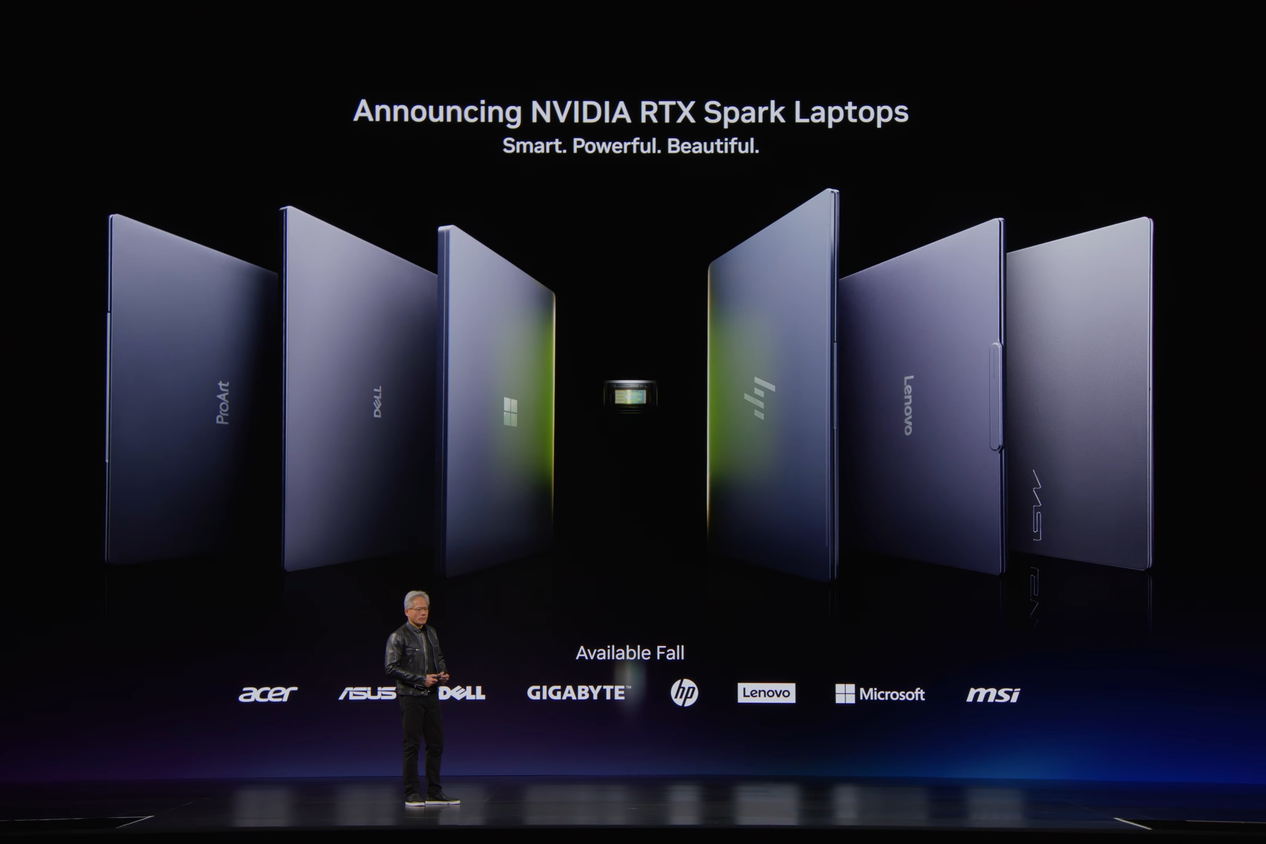
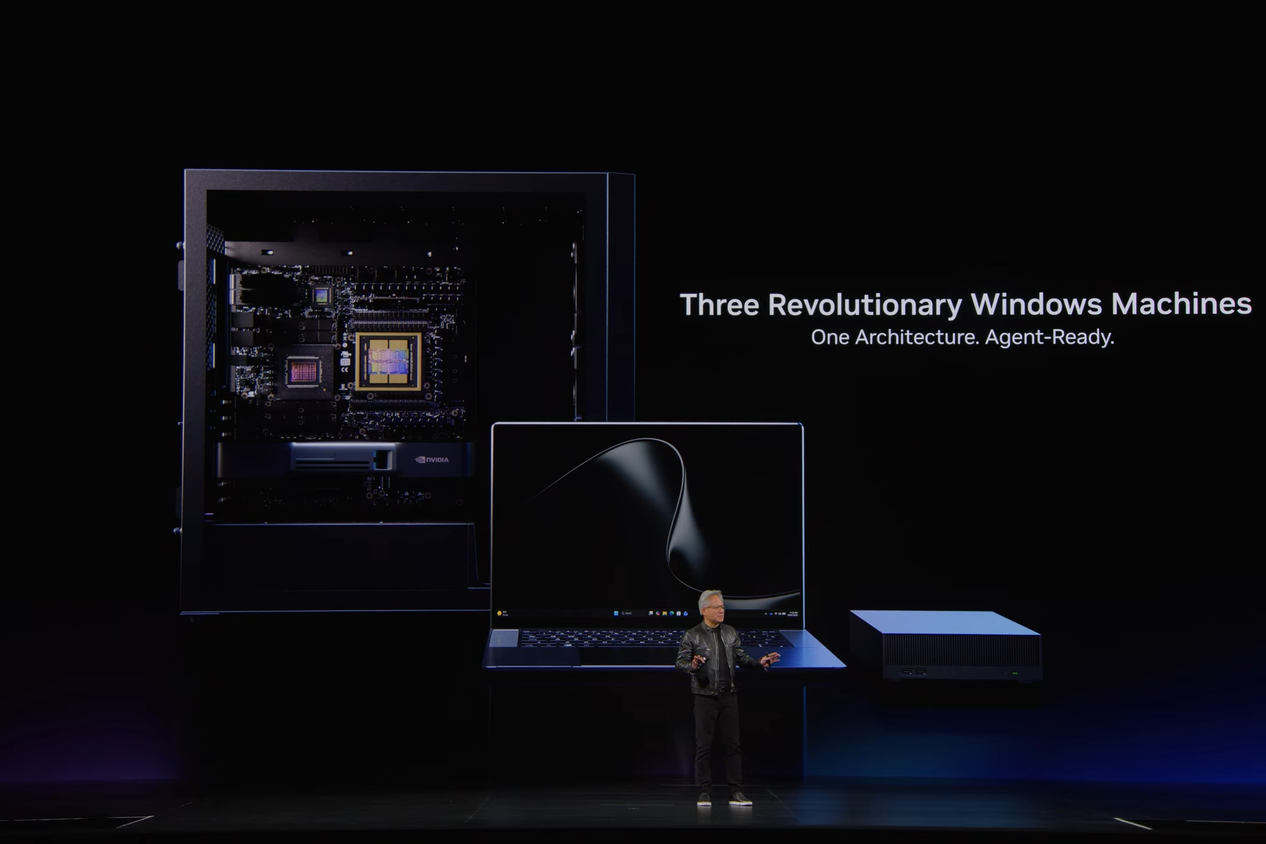
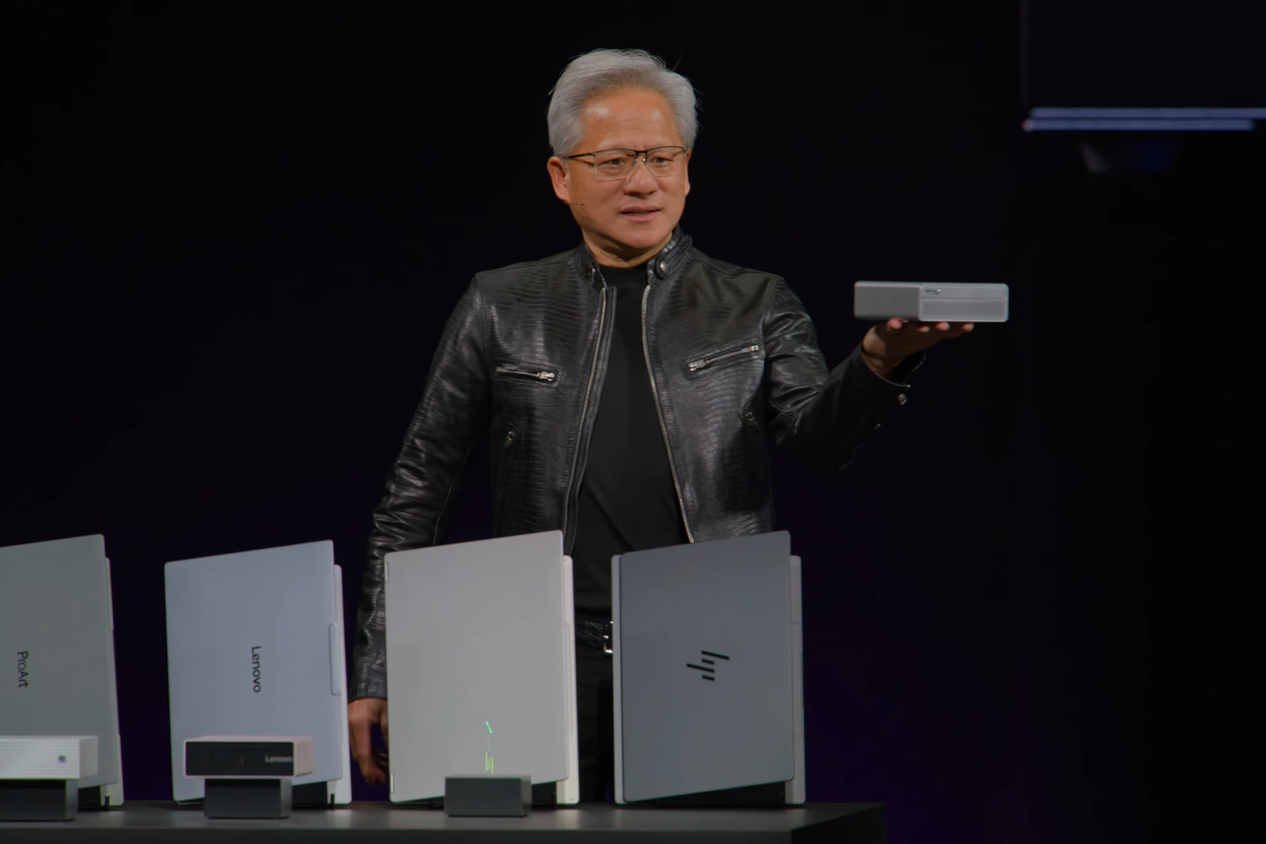
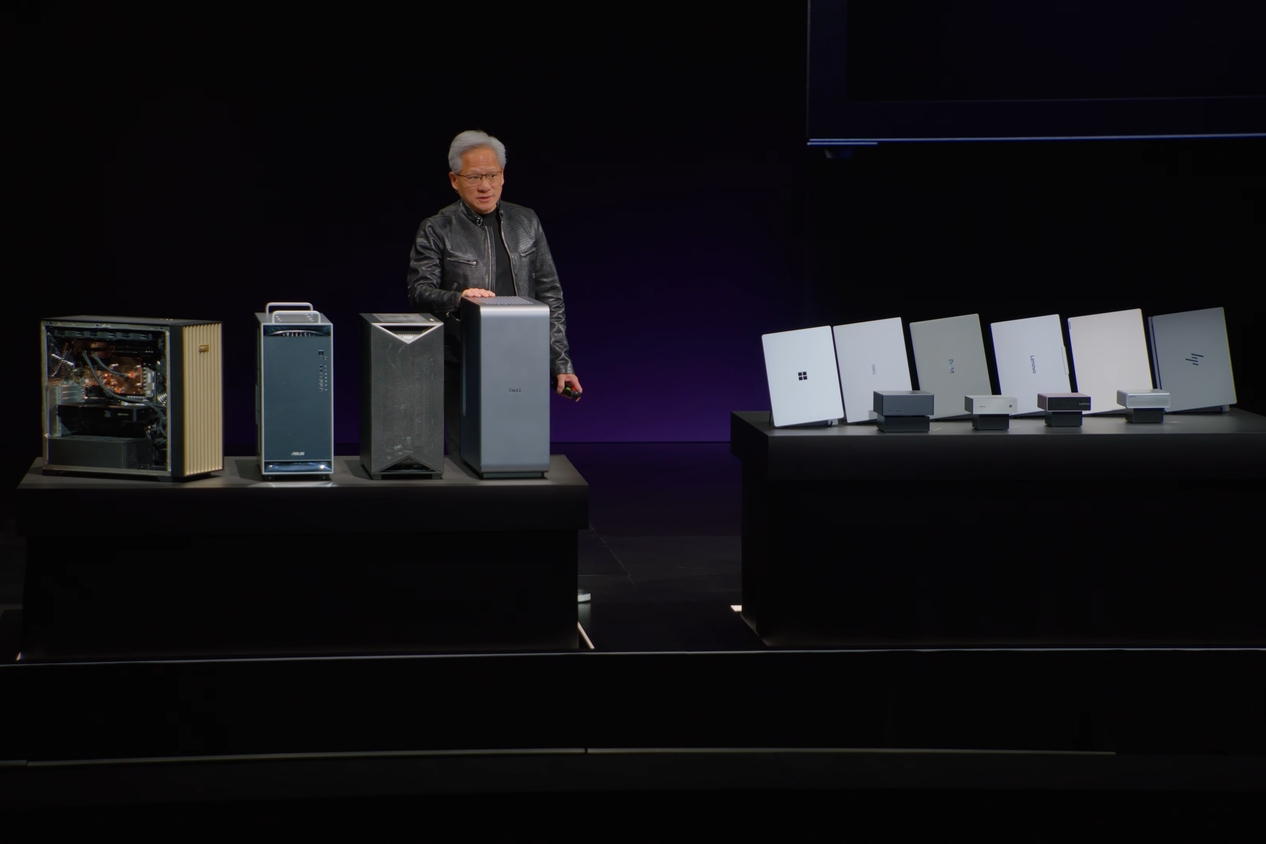


 Credit: Nvidia/YouTube
 Credit: Nvidia/YouTube
 Credit: Nvidia/YouTube
 Credit: Nvidia/YouTube
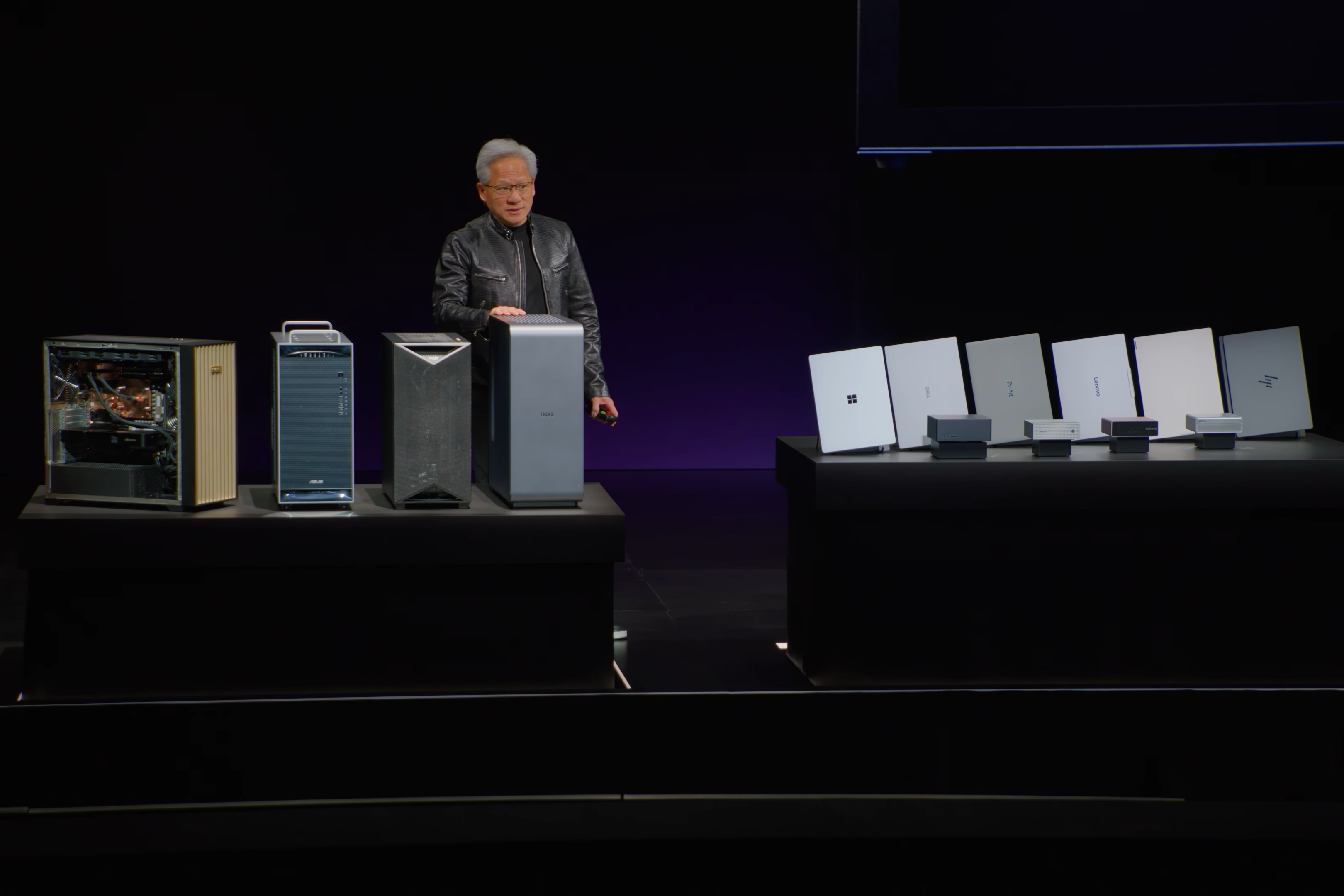 Credit: Nvidia/YouTube

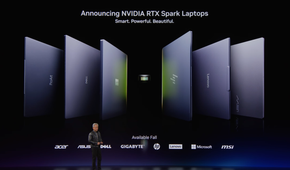
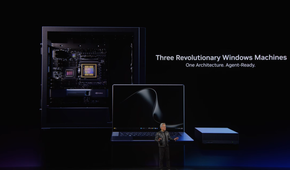
The AI-led memory shortage has vastly affected the consumer electronics market. The RTX Spark features a whopping 128GB LPDDR5 memory, and in times like these, that doesn't come cheap. Morgan Stanley has estimated that the RTX Spark N1X chip for laptops will start at $2,900 or more, and the lower-end N1 chip will start at $1,800.
The RTX Spark will ship with variants, and the key phrase is "up to 128GB", not 128GB across all chips. Expect the price to creep higher for laptops with higher memory, likely crossing the $4,000 mark.
If your goal is gaming, the RTX Spark might not be a good investment; for the same price, you can get much better options. The Lenovo Legion 7i Gen 10, featuring an RTX 5070 and an Intel Core Ultra 9 275HX, goes for around $2,400 and can run almost any AAA game at high settings at 1440p, outperforming the RTX Spark based on the current specifications.

Lenovo Legion 7i Gen 10
- CPU
- Intel Ultra 9 275HX
- GPU
- RTX 5070 Mobile
- RAM
- 32GB DDR5
- Display (Size, Resolution)
- 2560x1600
The Lenovo Legion 7i Gen 10 is a premium, lightweight gaming laptop that delivers top-tier performance in a sleek design, featuring the RTX 5070, Intel Ultra 9 275HX, and a 2.6k display, making it capable of running nearly every AAA title at high settings.
- Brand
- Lenovo
Nvidia's claims of reinventing the PC might have been too much
Nvidia claimed that it is "reinventing PCs," which is too bold a claim, especially considering that the RTX Spark is based on a 2-year-old chip. Now, I do appreciate that they're making an effort to advance Windows for ARM — especially that they're developing a native anti-cheat for ARM, which was the biggest drawback to switching from X86. From what Nvidia has to show so far, it won't change much for gamers. However, considering they succeed in this market, Nvidia might advance into the integrated graphics market for gaming, and that's a space they can dominate, but even then, reinvention seems like a far stretch.