


For years, Samsung was the only company selling big-screen foldables in the U.S. The Samsung Galaxy Z Fold line didn't have true competition. Google was late to the foldable race, and the original Pixel Fold wasn't a serious competitor. Motorola was only making flip phones, and OnePlus' Open proved to be a one-off rather than the start of something great. Other models from Honor, Oppo, Vivo, Huawei, and Tecno weren't available stateside. Samsung had no real challengers, and as a result, the Galaxy Z Fold 5 and Galaxy Z Fold 6 were all about iterative updates and stalled progress.
That started to change when Google released the Pixel 9 Pro Fold, a foldable worthy of the "Pro" moniker that gave Samsung a run for its money. Unsurprisingly, Samsung's next foldable — the Galaxy Z Fold 7 — took a major leap forward. Perhaps Samsung felt the competition heating up, and knew it had to make big changes. Now, Samsung's Galaxy Z Fold 8 series and Google's Pixel 11 Pro Fold finally have their footing in the U.S. market, but there's a new contender in the picture.
It's Motorola, and the brand's Razr Fold makes a case for being the best folding phone available in the states. Whether you buy a Razr Fold or not, Motorola's new foldable is going to push Samsung and Google to innovate more than ever.
It's not a two-horse foldable race anymore
Samsung and Google were the only US options not long ago

Recently, Samsung and Google were the only companies making book-style foldables for sale in the U.S. There was the ill-fated OnePlus Open, which made waves early on but didn't get a true successor. Instead, OnePlus is pulling out of North America entirely, showing how difficult it is to compete with Samsung and Google. Samsung now sells two large folding phones, the wide Galaxy Z Fold 8 and the flagship Galaxy Z Fold 8 Ultra. Google has the Pixel 11 Pro Fold, a device that doubles down on software, durability, and the Qi2 accessory ecosystem.
I've argued before that Samsung and Google foldables aren't competing as much as it looks. They're both book-style foldables, but that's about where the similarities end. Samsung is chasing cutting-edge technology with the Galaxy Z Fold 8 Ultra, equipping the device with a Snapdragon 8 Elite Gen 5 for Galaxy chipset, a 5,000mAh silicon-carbon battery, and a stunning chassis measuring only 8.9mm thick. Google's goals are clearly different. The Pixel 11 Pro Fold has a custom Tensor G6 processor that will never beat a new flagship Snapdragon chip, a thicker 10.1mm housing, and a smaller lithium-ion battery.
That's not to say the Pixel 11 Pro Fold is decidedly worse than the Galaxy Z Fold 8 Ultra. Google has the more durable foldable, as the Pixel 11 Pro Fold packs an IP68 certification and is complete with a dustproof design. The latest Google foldable also has magnetic Qi2.2 25W support, enabling easy compatibility with the MagSafe accessory ecosystem and fast wireless charging. Of course, the Pixel 11 Pro Fold also has the exclusive Pixel software fans love.
The point is, Samsung and Google foldables are targeting completely different audiences. If you care about raw power and innovative hardware, the Galaxy Z Fold 8 Ultra looks appealing and the Pixel 11 Pro Fold appears ancient. If you care about durability, quality-of-life features, and excellent software, the Pixel 11 Pro Fold easily clears the Galaxy Z Fold 8 Ultra. We needed a third foldable option to put pressure on both Google and Samsung — and the Motorola Razr Fold gave us exactly that.
Motorola's Razr Fold is an incredible first effort
This doesn't feel like the first-generation Galaxy Z Fold or Pixel Fold
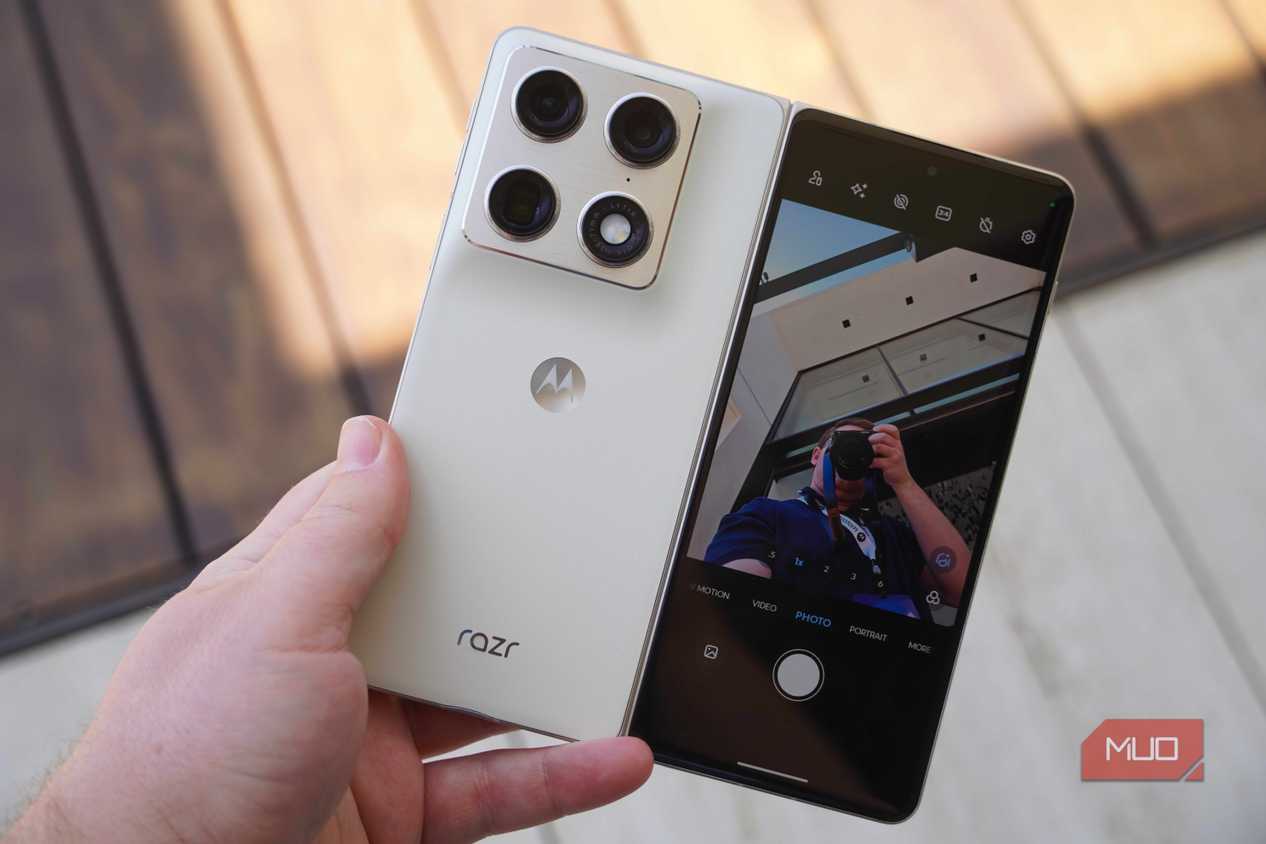
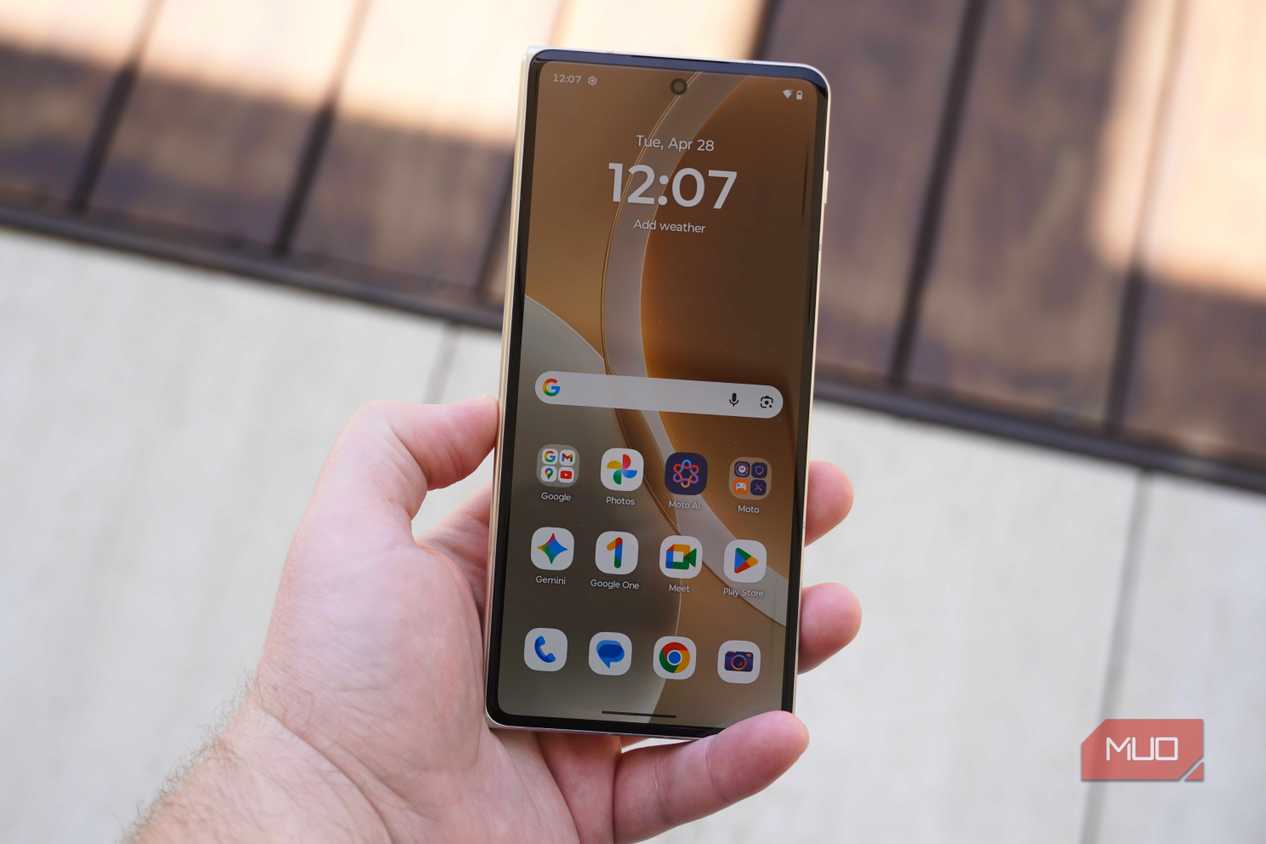
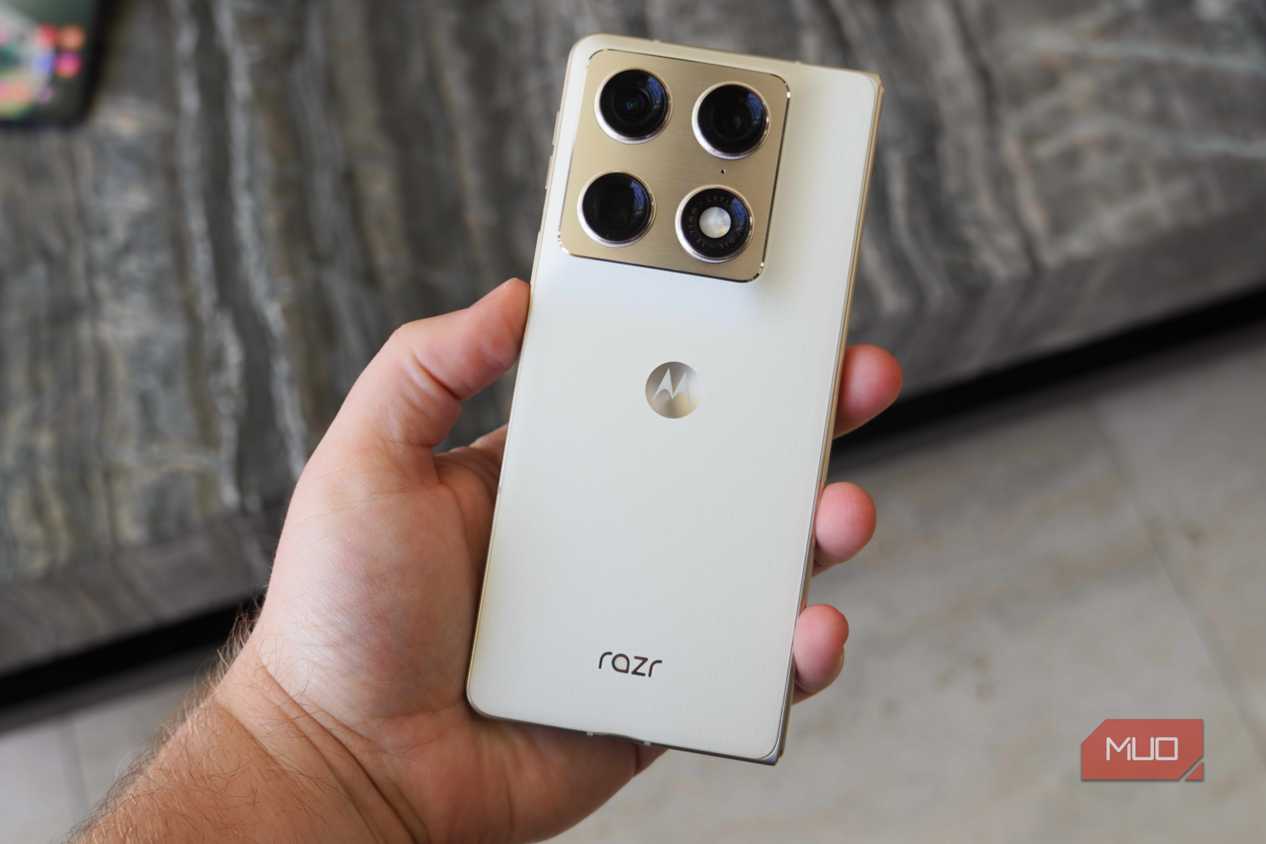
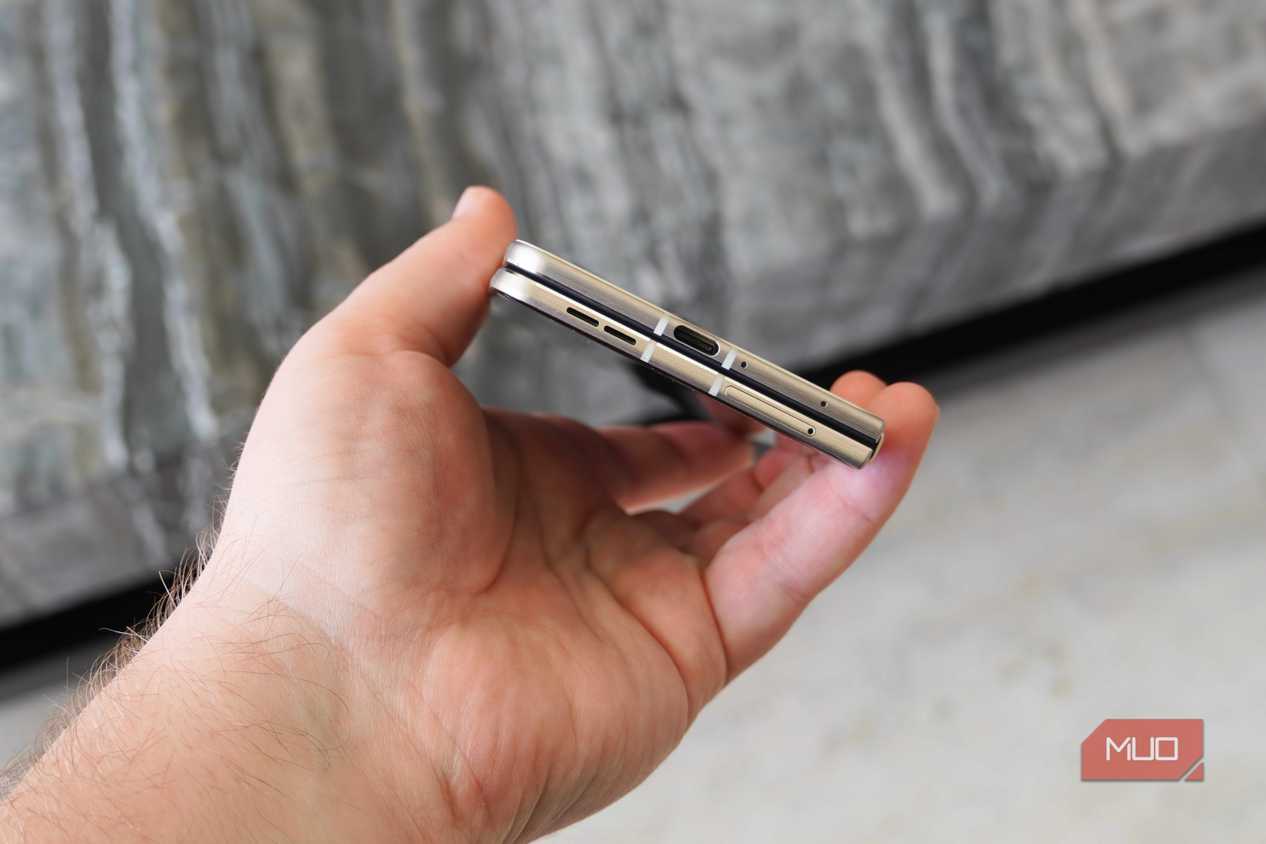
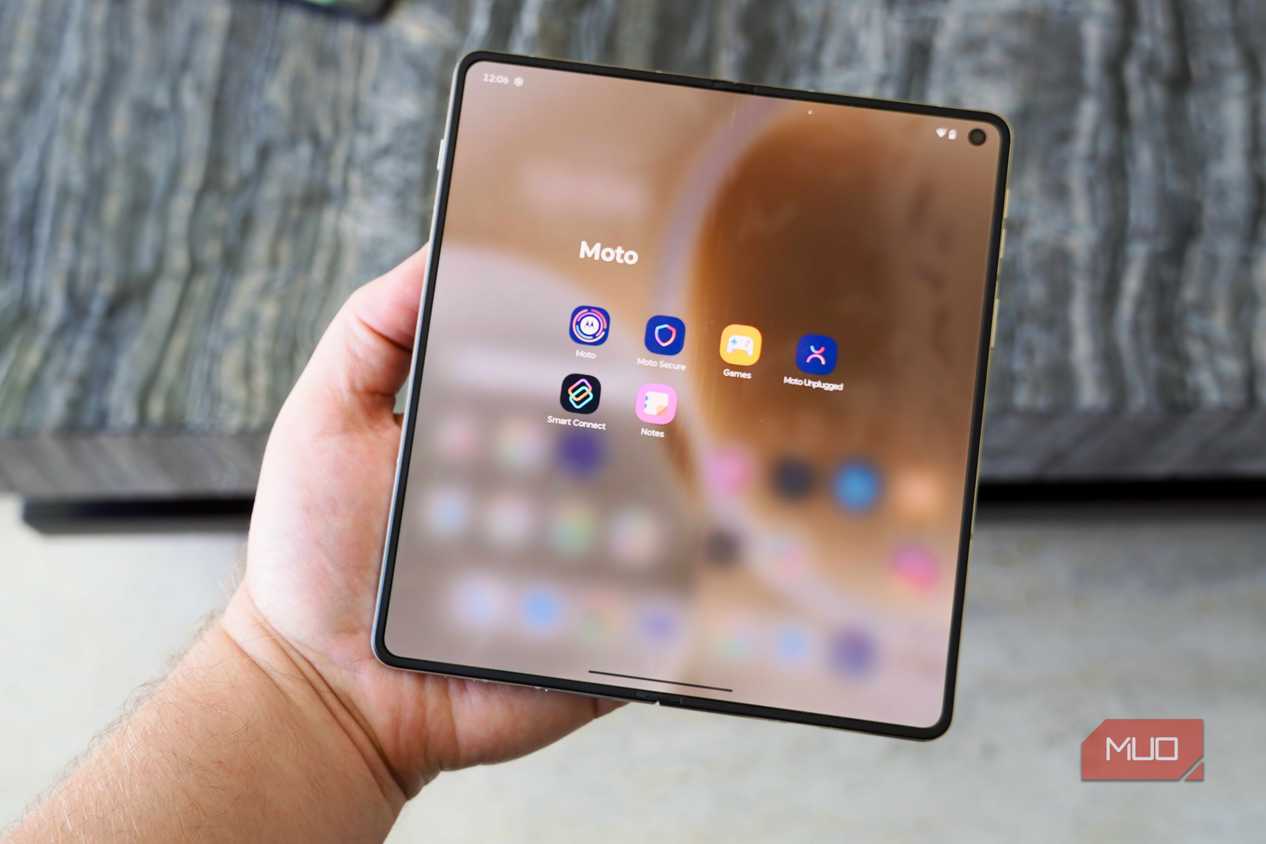
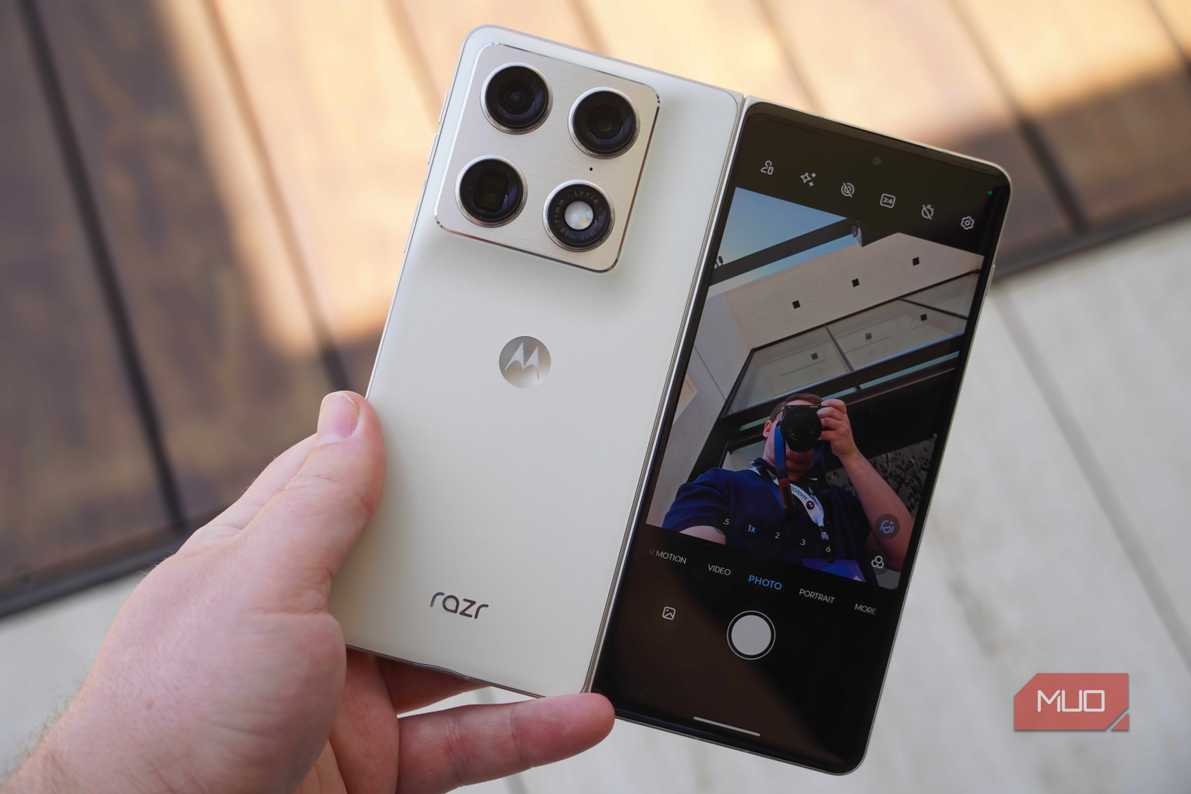
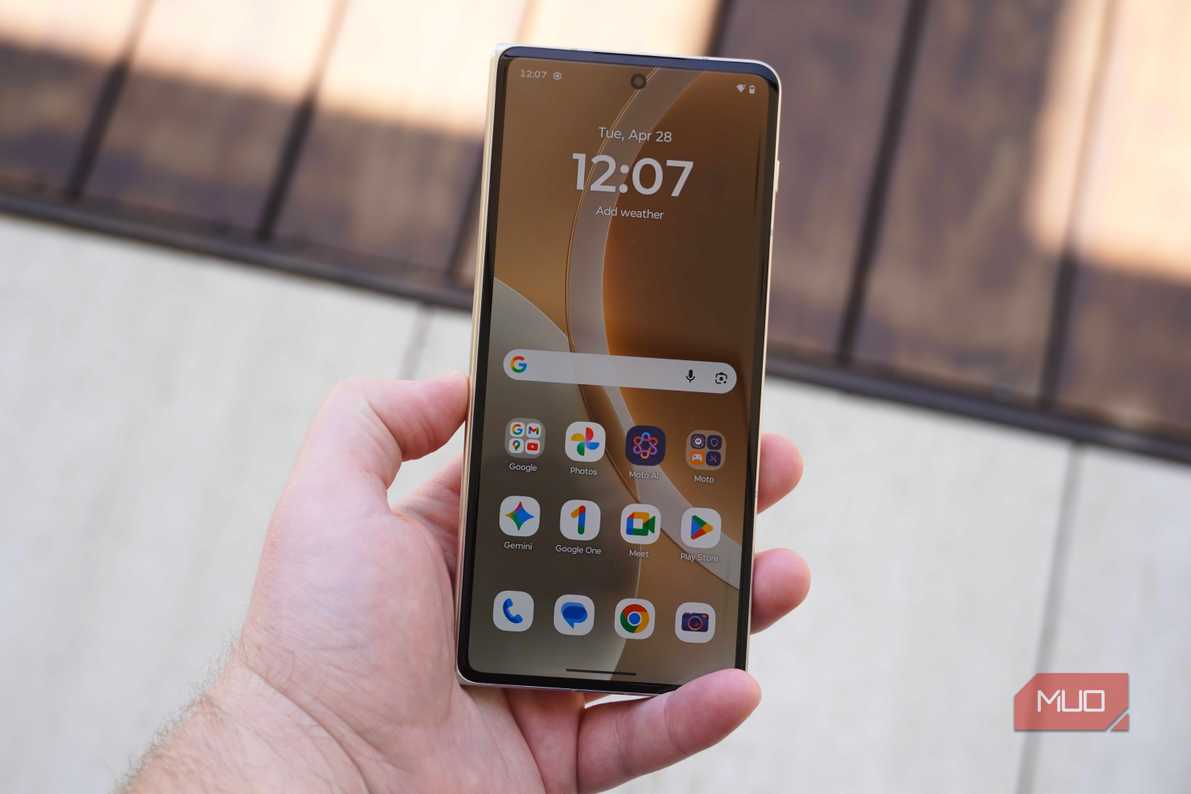
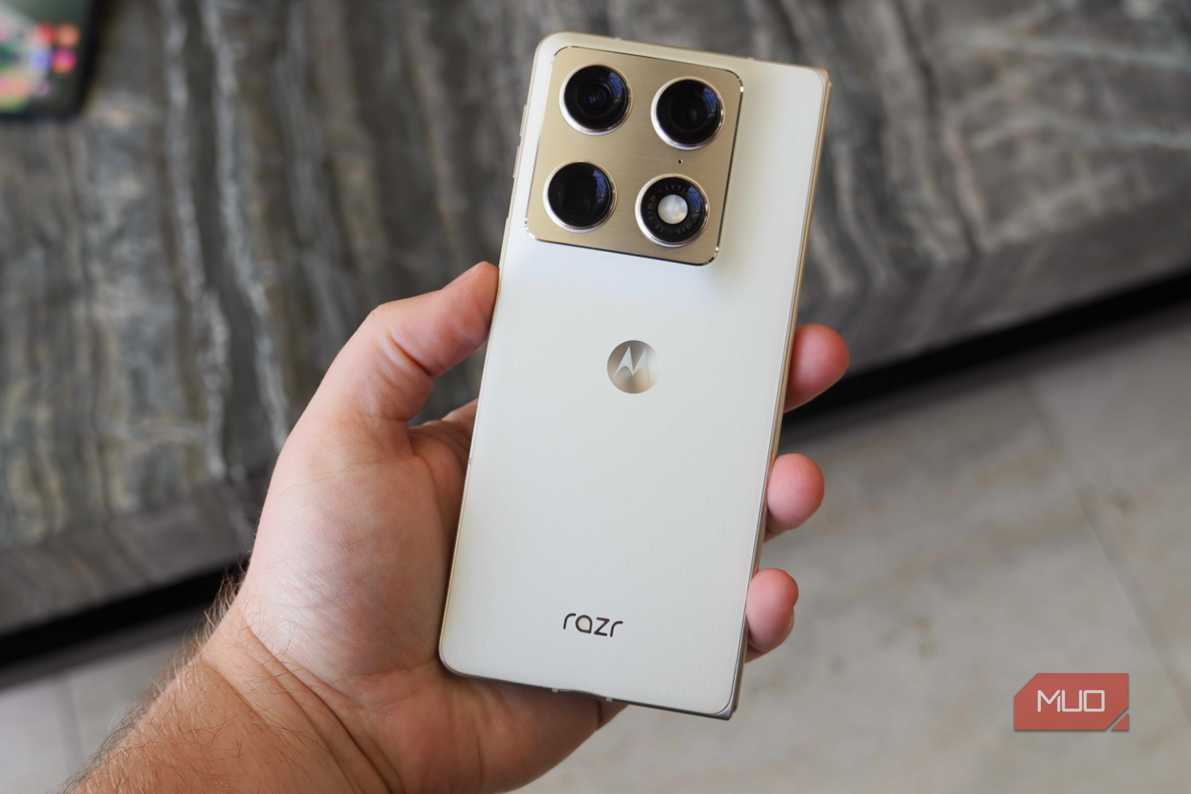


 Credit: Brady Snyder / MakeUseOf
 Credit: Brady Snyder / MakeUseOf
 Credit: Brady Snyder / MakeUseOf
 Credit: Brady Snyder / MakeUseOf
 Credit: Brady Snyder / MakeUseOf

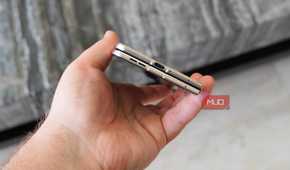
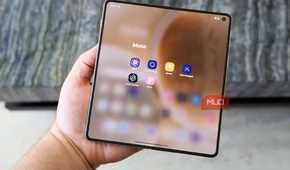
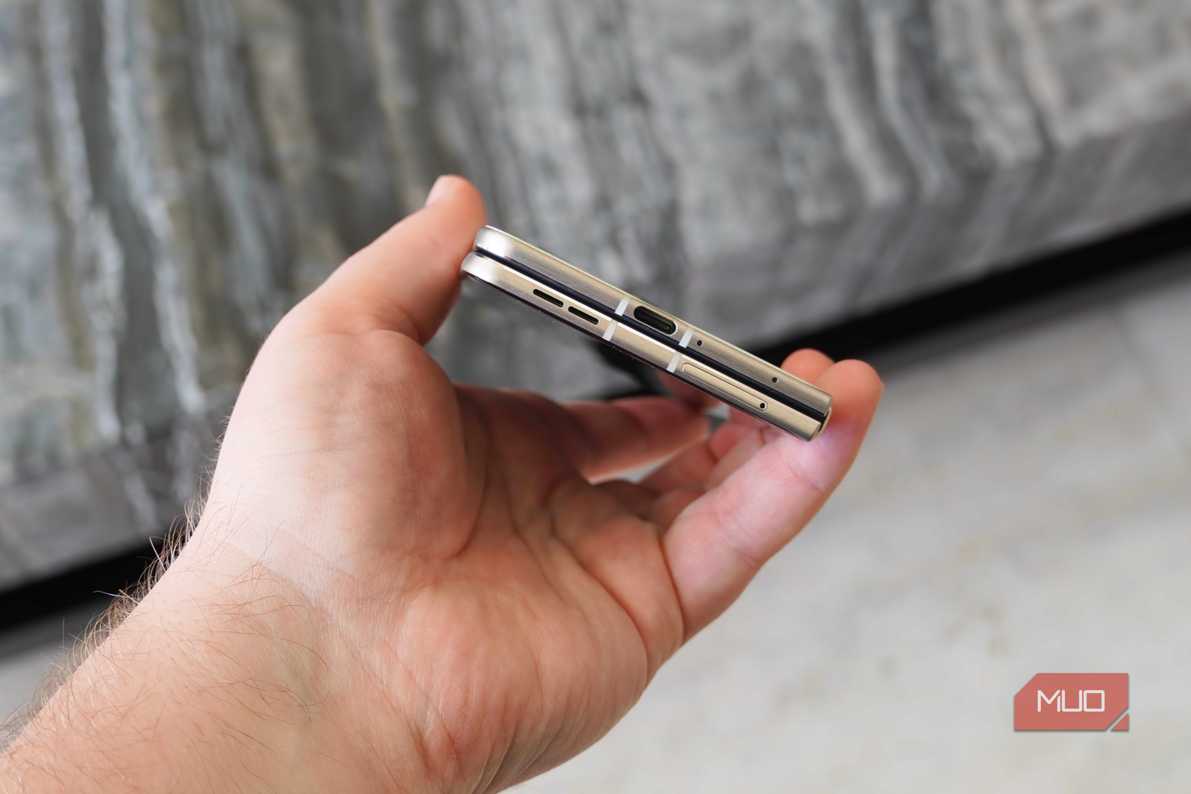
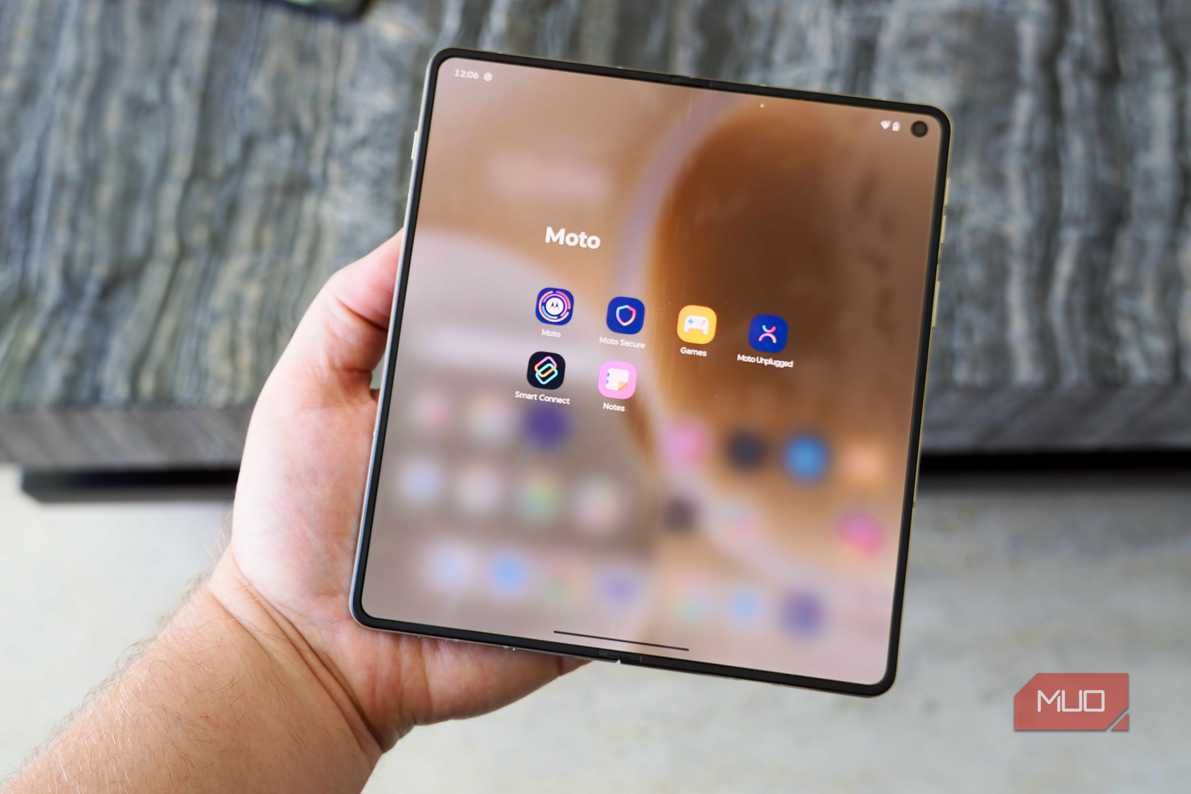
The Razr Fold is Motorola's first stab at making a book-style foldable, but it doesn't feel like one. The Motorola Razr Fold splits the middle between the Galaxy Z Fold 8 Ultra and the Pixel 11 Pro Fold, offering specs and features that challenge both phones. If you're in the market for a new Samsung or Google foldable, chances are, the Razr Fold will make you think twice about choosing those devices. The appeal starts with the design, highlighted by a soft vegan leather back and comfortable aluminum side rails.
It's powered by the Snapdragon 8 Gen 5 processor, a midrange chip that falls between the Snapdragon 8 Elite Gen 5 for Galaxy inside the Galaxy Z Fold 8 Ultra and the Tensor G6 inside the Pixel 11 Pro Fold in terms of performance. The battery keeping the Razr Fold running uses a silicon-carbon battery chemistry, like the Galaxy Z Fold 8 Ultra. However, it's larger than both the Galaxy Z Fold 8 Ultra and the Pixel 11 Pro Fold with a 6,000mAh capacity. It charges faster, too, at 80W over a cable and 50W wirelessly.
The main display is 8.1 inches, supports 120Hz refresh rates, and has a 6,200-nit peak brightness rating. The 6.6-inch cover display is even more responsive, at 165Hz, and both screens support Dolby Vision and HDR10+. The cameras are great, too, featuring a trio of 50MP sensors on the back. There are areas where the Pixel 11 Pro Fold and the Galaxy Z Fold 8 Ultra each beat the Razr Fold, but I'd argue the latter is the more balanced foldable.
At $1,899, the Razr Fold isn't overpriced. It costs the same as the Pixel 11 Pro Fold and costs less than the Galaxy Z Fold 8 Ultra. The challenger fit to give Samsung and Google a real test is officially here.
Motorola is already pushing Samsung and Google
The Galaxy Z Fold 8 series and Pixel 11 Pro Fold are better because of the Razr Fold

Motorola beat Samsung and Google to the punch by releasing the Razr Fold a few months ago, and I'd say the device is already pushing them to innovate. Sure, the Galaxy Z Fold 8 Ultra and Pixel 11 Pro Fold were finalized long before the Razr Fold came out, but we knew Motorola was cooking up a big-screen foldable as early as CES in January. Rumors swirled even before that, so it's not a stretch to assume the Galaxy Z Fold 8 series and Pixel 11 Pro Fold are responses to the Razr Fold.
There's even a new Galaxy Z Fold 8 with a wide aspect ratio this year, which could be Samsung trying to get out in front of Apple's expected foldable iPhone. In other words, it's clear that more competition pushes everyone forward. Motorola's killer first attempt at a book-style foldable is already making the entire U.S. market better. If you're a fan of Android foldables, you should thank Motorola for the Razr Fold — even if you don't end up buying one.

Motorola Razr Fold
- SoC
- Qualcomm Snapdragon 8 Gen 5
- RAM
- 16GB
- Storage
- 512GB
- Battery
- 6,000mAh silicon-carbon
- Operating System
- Android 16
- Front camera
- 32MP external, 20MP internal
The Motorola Razr Fold is a formidable challenger to Google and Samsung foldables in the U.S., complete with a 6,000mAh silicon-carbon battery and stylus support on both of its screens. It packs slick Pantone colorways and an 8.1-inch foldable OLED display. Plus, it can charge at a whopping 80W over a cable and at 50W wirelessly.